Skip to content

2026 SCHOOL BOARD CANDIDATES & FORUMS

The Eastern Carver County School Board has 4 of 7 seats up for election this fall, and 9 candidates have filed to run.

2026 Candidates

Apple on stack of books

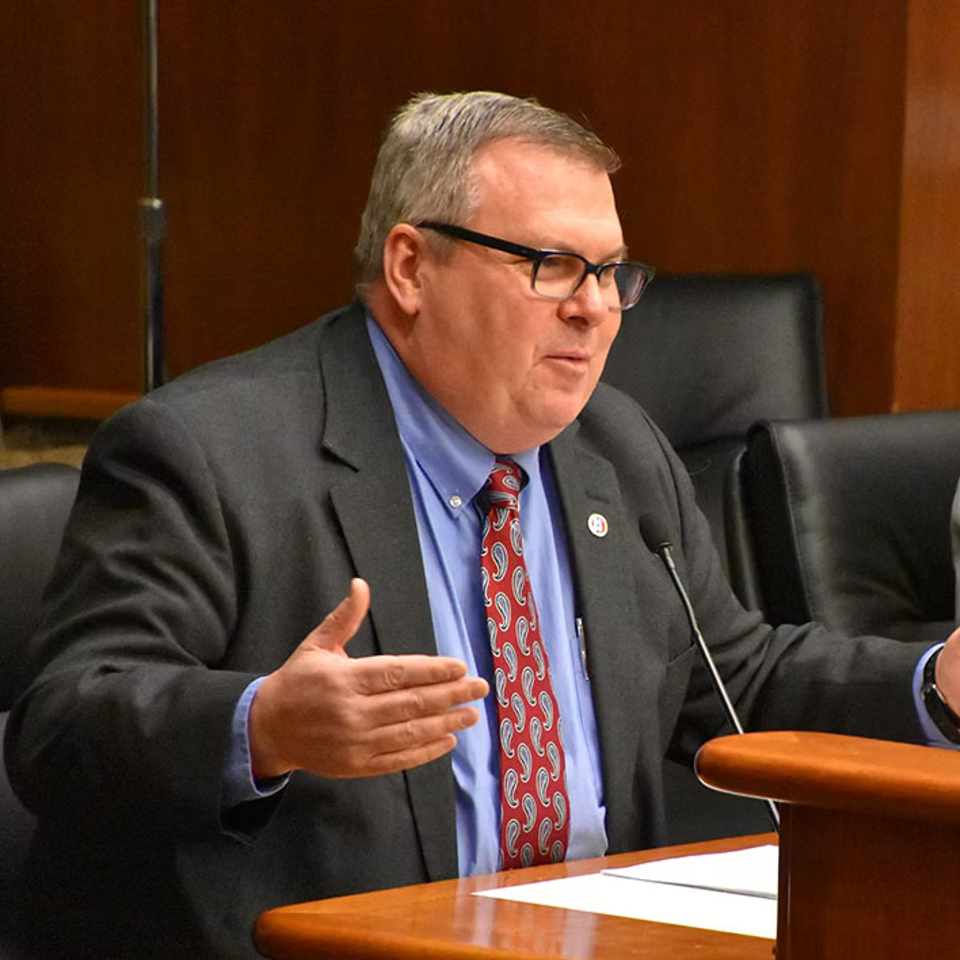
Chet Gunhus

Apple on stack of books

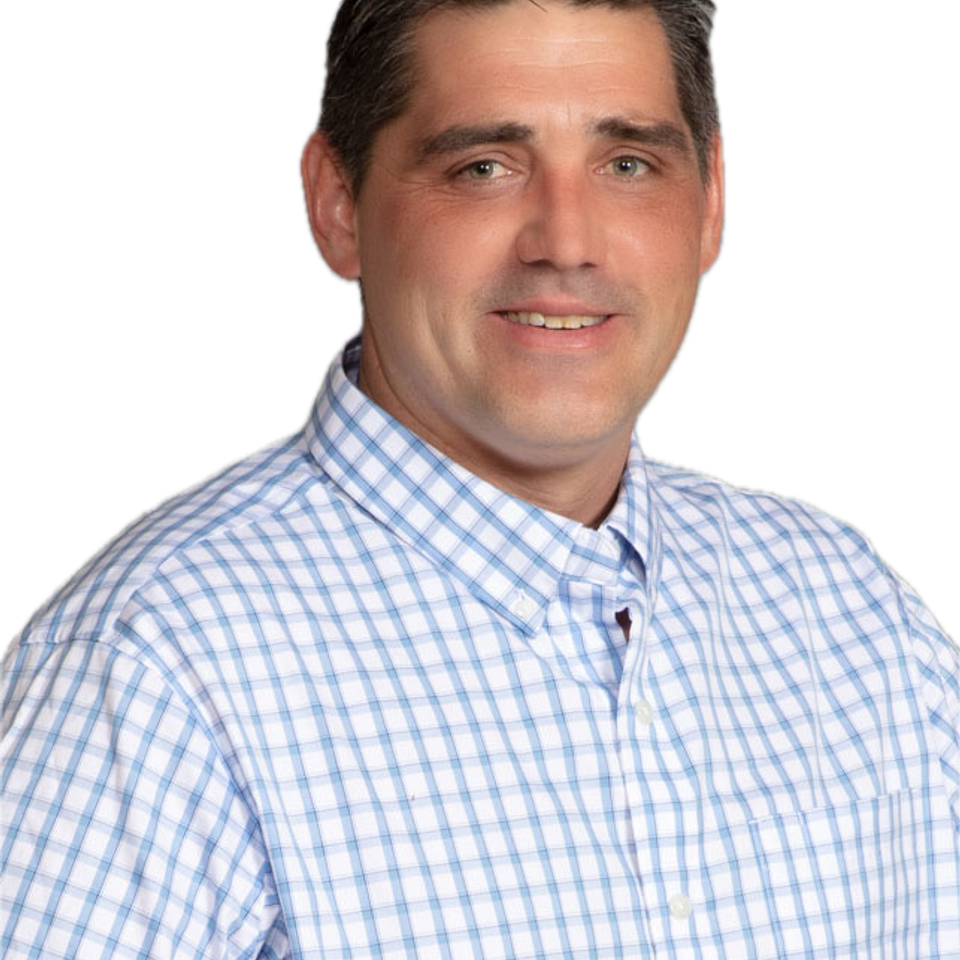
Jonathon Heinonen

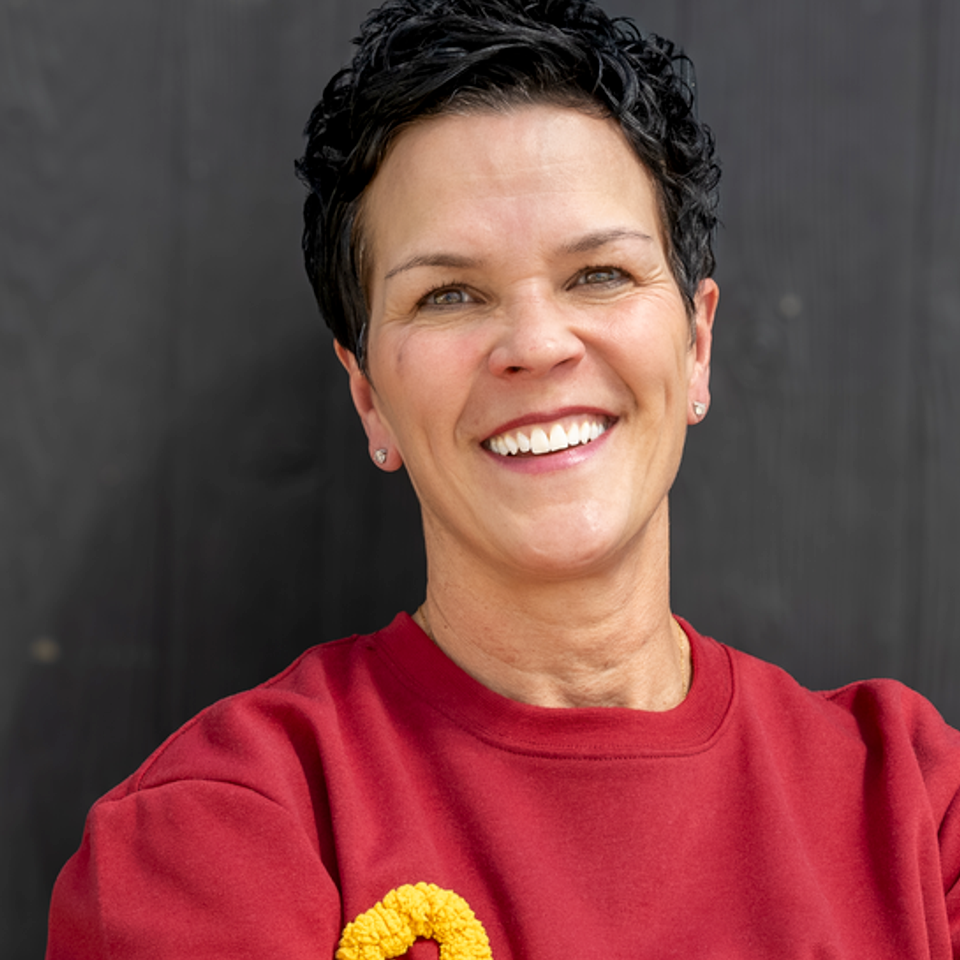
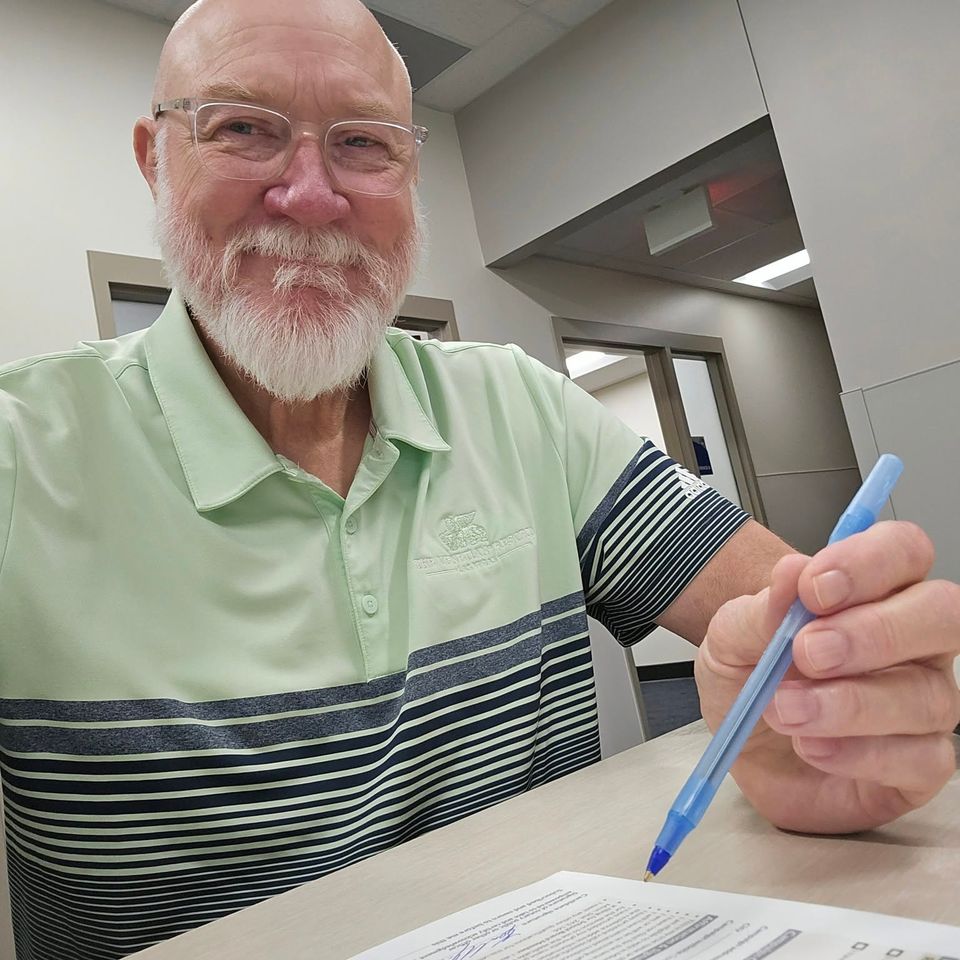
Tim Klein

Tim Klein

(incumbent)
Ellie Krug

Ellie Krug

(incumbent)
Tracy Rundell

Tracy Rundell

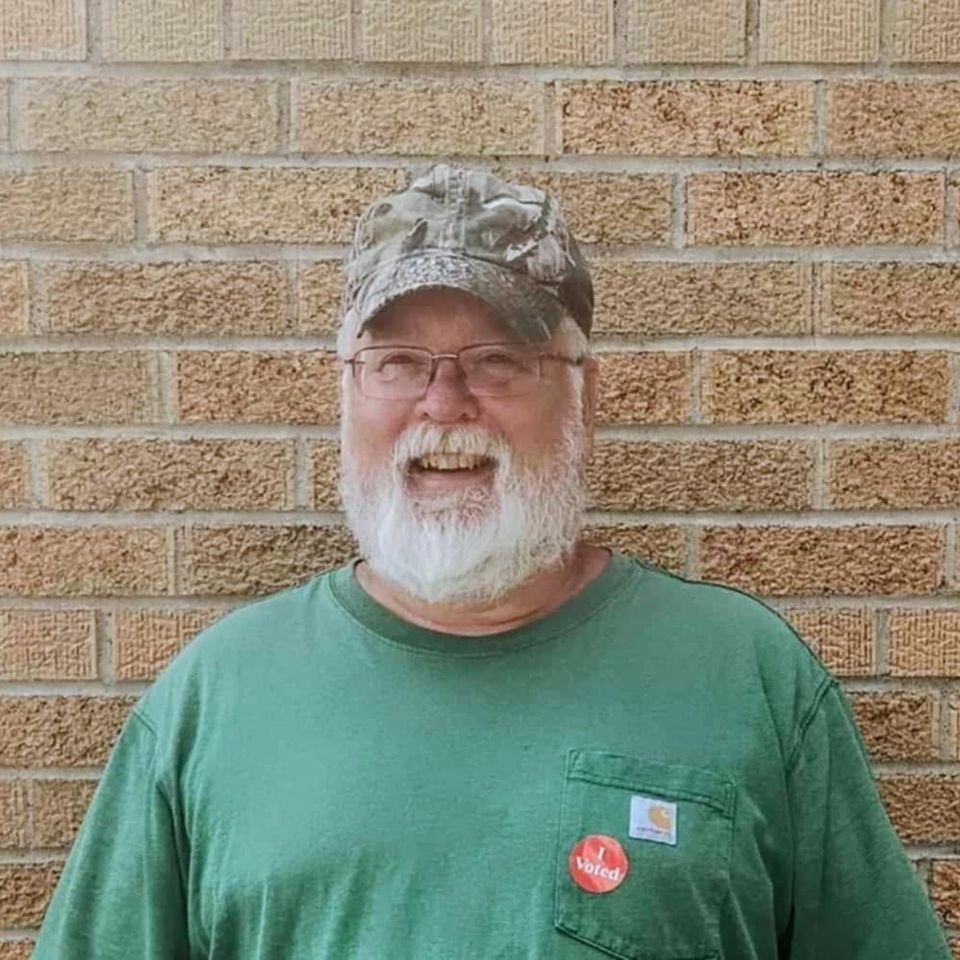
Ken Salway
Ken Salway
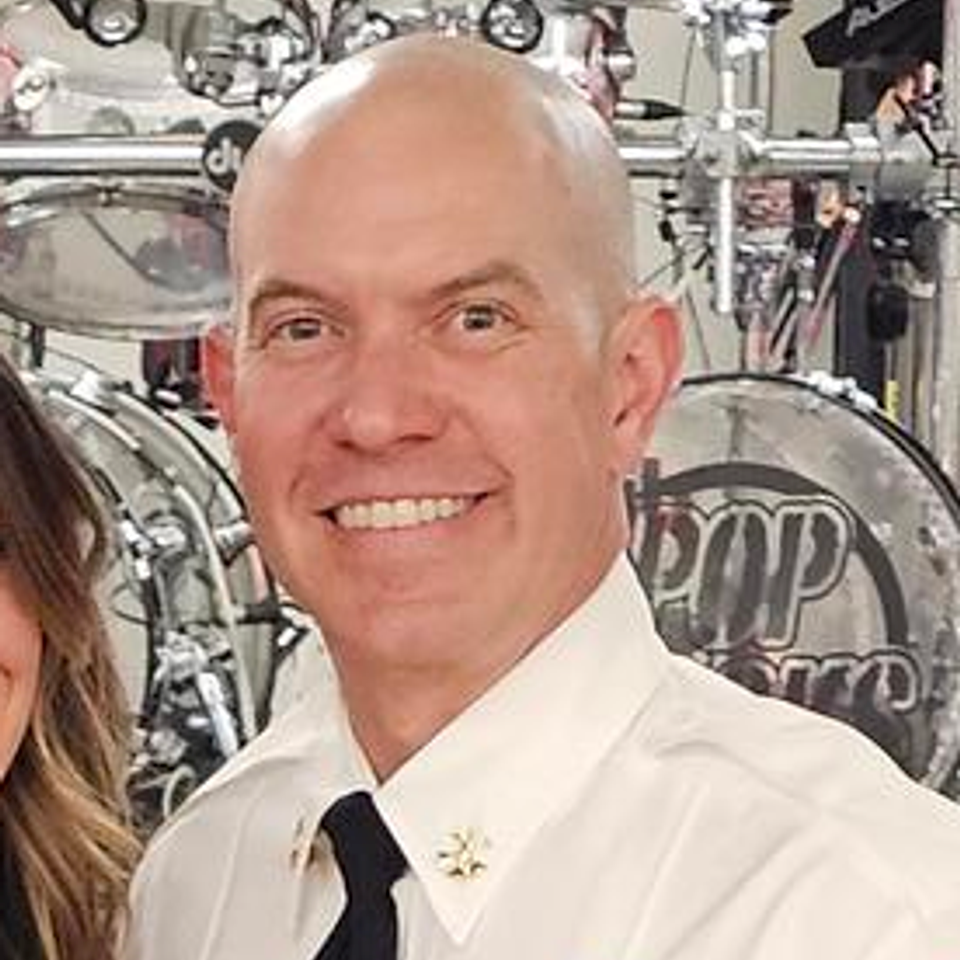
Joe Scott

Joe Scott

(incumbent)
Jennifer Stone

Jennifer Stone

(incumbent)
Candidate Forum
Prepared by Prism Organizing Network, developing leaders for LGBTQIA2S+ safety, dignity, and freedom across Minnesota. Contact Prism’s Co-Executive Director Oby Ballinger (oby@prismorganizing.org) for more information.


EDEN PRAIRIE

2026 SCHOOL BOARD CANDIDATES & FORUMS

The Eden Prairie School Board has 4 of 7 seats up for election this fall, and 6 candidates have filed to run.

2026 Candidates

Aaron A. Casper

Aaron A. Casper

(incumbent)
Madalynn Gerold

Madalynn Gerold

Abby Libsack

Abby Libsack

(incumbent)
Kellie Stecher

Kellie Stecher

Mariana "Mari" Verdugo

Mariana "Mari" Verdugo

Apple on stack of books

Laura Wall

League of Women Voters Candidate Forum

9/16/26
Prepared by Prism Organizing Network, developing leaders for LGBTQIA2S+ safety, dignity, and freedom across Minnesota. Contact Prism’s Co-Executive Director Oby Ballinger (oby@prismorganizing.org) for more information.


EDINA

2026 SCHOOL BOARD CANDIDATES & FORUMS

The Edina School Board has 4 of 7 seats up for election this fall, and 5 candidates have filed to run.

Edina School Board
Candidate Interview Responses

October 2026

Please tell us a little about your connection to the district. Do you have children who have attended, or will attend, Edina public schools?

Michael Birdman
I am 24+ year resident of Edina with 2 students at Edina High School.  I currently serve as an elected School Board Director and up for re-election in 2026.
 
Karen Gabler
I have lived in Edina for the past 16 years, and all three of my children have attended Edina Public Schools since preschool at the Early Learning and Family Center. I have been heavily active in our schools, including serving as PTO president at two different schools, co-chairing two Vote Yes! school referendums, serving as co-chair of the Edina Education Fund, and being a long-time classroom volunteer. These are just a few of the ways I have been involved and connected to our schools.  
 
Peter Hulbert
Lifelong Edina resident, EHS alumnus, and parent of two students in Edina Public Schools. I volunteer in their schools and serve on the Edina Parks and Recreation Commission. I am a local attorney; my practice focuses on privacy, corporate compliance, and healthcare.
 
Elaine Olson
Our family chose Edina. We've lived here for several years, and we were part of this community before that. Our kids attended preschool in Edina, have played Edina sports since they were little, and my husband coached Edina girls softball (and if you have ever coached, you know it's a family effort!). When we saw how strong Edina Public Schools are, we chose them too. We have two children at EHS, and another one who will join them in the fall. Since my kids entered school, I've supported our kids' classrooms, the Ed Fund, and Edina Give and Go. Education also runs in my family: my mother was a teacher, and my mother-in-law taught in the Anchorage public schools until she retired. My first job was in the classroom as a volunteer teacher as part of a teaching corps. I have deep non-profit board experience and have been actively involved in supporting Edina’s Students Demand Action group as well as volunteering myself with Moms Demand Action. 
 
Sarah Quayle
I have been actively engaged in Edina Public Schools for many years. I currently serve on the Comprehensive Achievement and Civic Readiness (CACR) Committee and have volunteered at Creek Valley, Normandale, Valley View, and Edina High School. For nearly a decade, I have regularly attended School Board meetings, participated in district discussions, and helped families stay informed by facilitating parent conversations on key topics facing our district.

I have always believed that strong public schools depend on engaged, informed communities. During periods of heightened tension and division, I worked to bring parents and community members into the conversation, encouraging respectful participation and ensuring diverse perspectives were represented as the School Board carried out its important work. I have also partnered with community organizations to support students and families, including helping establish the Hornet Cares Fund with the Edina Education Fund earlier this year.

Beyond Edina, I serve as Board Chair of Achieve Twin Cities, a nonprofit dedicated to helping students prepare for college, careers, and life. Professionally, I lead AI workforce transformation efforts at UnitedHealth Group, helping organizations navigate change and prepare for the future. I also lead one of Edina's largest parent networks, where I have spent years building relationships across schools, neighborhoods, and perspectives. Together, these experiences have strengthened my commitment to listening, building bridges, and ensuring every student has the opportunity to thrive.
 

What role should the school board play in making sure LGBTQIA2S+ students feel safe, respected, and able to be themselves at school?

Michael Birdman
The school board is responsible for setting all policies and governance for the school district and its administrators to ensure all students and staff feel safe, respected, and able to be themselves.  Our core responsibility is to ensure each and every student is provided with the environment where they can reach their potential and thrive.  This would include LGBTQIA2S+ students and staff.
 
Karen Gabler
The school board has a responsibility to pass policies that ensure all students feel safe, respected and able to be themselves at school AND to ensure that those policies are being followed. We have current policy around this and the board receives reports each year with data on how well students and staff feel like they belong, feel respected and are safe. The board takes this data seriously. We also have a responsibility to be role models of these characteristics; we should be welcoming, inclusive and respectful in how we talk about or make decisions about any student, staff or teacher within EPS. I would personally broaden that to treating any human with that approach, but since this is about school board, I will keep it limited to our schools. 
 
Peter Hulbert
Every student should be able to learn without harassment. Our kids and their friends enjoy supporting GSA club activities, a student group where LGBTQ+ students and their allies can connect, plan, and look out for one another. The board should listen to students, families, and staff, not only the loudest voices in a meeting. Set policy so clubs like GSA can exist in a respectful climate. Academics stay the focus.
 
Elaine Olson
Safety and mental health are two of my top priorities, and they apply to every student. LGBTQIA2S+ young people face higher rates of bullying and mental health struggles. The board’s role is primarily one of governance. The board approves the policies, approves the budget, and holds the district accountable for results. I would want policies that are clear and understand how they are enforced. It also means listening to students and staff, and tracking how they feel. When students feel safe and seen, they can focus on learning. When teachers and staff feel safe and respected, they can focus on what they love most. 
 
Sarah Quayle
Every student deserves to feel safe, seen, and valued at school. The board's role is not to decide who belongs. It's to ensure that every student belongs. That means establishing clear policies against bullying, harassment, and discrimination; ensuring schools comply with the law; supporting staff with the training and resources they need; and monitoring outcomes so we know all students have access to a safe and supportive learning environment.

As a board member, I would listen to students, families, teachers, and staff, especially those whose voices are not always heard. My goal would be to foster schools where every student, including LGBTQIA2S+ students, can focus on learning, build meaningful relationships, and reach their full potential.

This commitment is personal to me. Through my family, longtime friendships, and years of involvement in Edina schools, I have listened to LGBTQIA2S+ students and families describe both the importance of feeling accepted and the harm that occurs when they do not. Those relationships have deepened my conviction that belonging is not an abstract policy goal—it shapes whether students feel safe, connected, and able to learn.


What is your view on the district's nondiscrimination and anti-bullying policies as they apply to sexual orientation and gender identity?

Michael Birdman
The policies absolutely include and apply to any discrimination and bullying on the basis of sexual orientation or gender identity.
 
Karen Gabler
I believe that our district’s nondiscrimination and anti-bullying policies absolutely apply to sexual orientation and gender identity. 
 
Peter Hulbert
Enforce them fairly. No student should be bullied or harassed. Hear students, parents, and staff when they raise concerns. Policies should be clear, applied consistently, and families should know how issues are handled.
 
Elaine Olson
I strongly support them. Minnesota law protects people from discrimination based on sexual orientation and gender identity, and the following policies are on point: 
In my 24 years as a privacy and compliance lawyer, I've learned that a policy is only as good as its follow-through. As a board member, I'd want to understand how these policies are working. 
 
Sarah Quayle
I support the district's nondiscrimination and anti-bullying policies because every student deserves to feel safe, valued, and able to focus on learning. Protections related to sexual orientation and gender identity are an important part of ensuring that no student or employee faces harassment, discrimination, or exclusion.

The board's responsibility is to set clear expectations, uphold the law, and ensure policies are implemented consistently. Just as importantly, we should foster a culture of belonging where differences are respected and every student knows they matter. When students feel safe and supported, they are better able to learn, participate, and thrive.


What is your view on teachers, staff, and students displaying inclusive symbols, like Pride flags or safe-space stickers, in classrooms? 

Michael Birdman
Any expression or display of any symbols must meet school policy and rules and may not interfere with the instructional learning that is taking place in a classroom.  First amendment rights are protected as long as they don’t interfere with classroom instruction as defined by law.
 
Karen Gabler
I believe that teachers, staff and students should be able to display inclusive symbols, like Pride flags or safe-space stickers, in their classrooms. Our district policies allow for such expression of speech. I know teachers and students who display these symbols, and as an ally, it makes me proud to know we allow and support that form of expression. 
 
Peter Hulbert
Our kids report that classmates regularly and proudly display these in classrooms. I support a measured, common-sense standard. Students should feel they belong so they can focus on learning.
 
Elaine Olson
My view is simple: every student should feel safe and know they belong at school. For many LGBTQIA2S+ students, a small sign that a classroom is a welcoming place can make a real difference, especially given what we know about student mental health. This is a live legal issue in Minnesota right now. 
 
Sarah Quayle
I believe classrooms should be places where all students feel welcome, safe, and supported. Symbols such as Pride flags or safe-space stickers are often intended to communicate that students will be treated with dignity and respect and can seek help if they need it.

As a board member, my focus would be less on individual symbols and more on the outcomes we want to achieve: ensuring every student feels they belong, is protected from bullying and discrimination, and has access to a positive learning environment.

The board's responsibility is to establish policies that promote safety, respect, and inclusion for all students while allowing administrators and educators to implement those policies appropriately. I would support school environments where students know they are valued and where differences are treated with respect.


What process should the district use for challenges to books and materials that are available in school libraries?

Michael Birdman
The school district already has policy around curriculum and the potential challenge to books and materials by stakeholders.  This is specifically covered under Policy 606.5 – Library Materials: https://resources.finalsite.net/images/v1763057886/edinaschoolsorg/qdacerqr5yemid8t8qpy/6065.pdf

Specifically, under section IV.B – the policy reads:  While recommendations by administrators, faculty members, students, parents, and other community members may be considered, the final responsibility for selection of library materials will rest with the library media specialist, in consultation with the superintendent or designee.

 
Karen Gabler
EPS Policy 606.5 addresses the process the district has for challenges to books and materials that are available in our school libraries. In short, the trained library media specialist is responsible for selecting library material based on the criteria outlined in the policy such as: materials that support and are consistent with the general educational goals of the state and the school district; chosen to enrich and support the curriculum as well as to promote reading for pleasure by responding to the personal needs and interests of students; will not be excluded because of the race, nationality, religion, sex, gender, or political views of the writer; appropriate to and reflect the needs, ages, maturity level, emotional development, ability levels, learning styles, social development, background, diversity, and needs and interests of the students for whom the materials were selected. This is a condensed list of criteria that we use. The policy also outlines a process that will be followed if an individual has a concern about specific books in the collection. The process includes a chain of escalation including:  informal request, formal request, and challenge report. 
 
Peter Hulbert
Use a clear, public process and listen to all who bring any concern as well as the professionals who selected the material. The district has a comprehensive policy on selection and reconsideration (Policy 606.5). Parents should be able to limit what their own child checks out. Review challenges title by title, based on educational value and age-appropriateness. Remain transparent and publish any decision.
 
Elaine Olson
Minnesota law already sets the foundation. Minnesota Statutes § 134.51 notes that book banning is prohibited, and specifically that a “public library must not ban, remove, or otherwise restrict access to a book or other material based solely on its viewpoint or the messages, ideas, or opinions it conveys." This policy is on point: 
Sarah Quayle
I support a clear, transparent, and consistent process for reviewing challenged materials. Concerns from parents should be heard and respected, but decisions should be based on established criteria, educational value, age appropriateness, and professional expertise, not politics or individual preferences. The board's role is to oversee the process, not decide individual titles, and to ensure students have access to a broad range of learning opportunities.
 

If the district faced community backlash or funding threats over policies supporting LGBTQIA2S+ students, how would you respond as a board member?

Michael Birdman
When the federal government threatened to defund public schools that promoted DEI policies, I and the school board made it crystal clear that we will not undermine our core principals of ensuring each and every student has the environment and support for them to reach their potential and thrive.  That is the core mission of EPS and I will not back away from that regardless of input or threats from others.  If funding were affected, we would work to shift our resources to ensure we can still meet our mission.
 
Karen Gabler
I personally believe and have spent my life as a teacher and individual working towards inclusion and advocacy for marginalized students and people. If I received pushback from the community or funding threats that would go against my personal beliefs and be challenging personally.

As a board member, though, we are individuals that are part of a whole.  We are encouraged to discuss at the board table and vote accordingly but then speak with one voice based on our collective vote. This is why it is so important to get inclusive minded people to run for school board and be elected to school boards. Then, you avoid this specific problem. If we received backlash from the community, I would lean into our policies, strategic plan and core beliefs that strongly state that inclusion and non-discrimination based on sexual orientation and gender identity are at our core. 

 
Peter Hulbert
Stay calm, listen and focus on what is best for students, not on who is loudest. Do not weaken anti-bullying protections under pressure. Consider all comments and points of view, think it through, and respond with clarity.
 
Elaine Olson
I'd stay calm, follow the law, and keep students at the center. As a lawyer, I know the first step is understanding exactly what the law requires. Minnesota law protects these students. As a board member, I would work with our legal counsel and state partners, communicate openly with families about what we're doing and why, and listen respectfully to people who disagree. I'd remember that behind every policy debate are real kids who are watching how the adults around them respond. 
 
Sarah Quayle
If the district faced backlash over policies that support LGBTQIA2S+ students, my response would be guided by one principle: every student deserves to be safe, respected, and able to learn.
As a board member, I would listen to concerns, encourage respectful dialogue, and take questions seriously. But I would not support rolling back protections that help ensure students are free from bullying, harassment, or discrimination.

Leadership is tested when issues become controversial. Our responsibility is not to do what is easiest or least criticized. It is to do what is right for students, consistent with our values, our policies, and our legal responsibilities. Every student deserves to know they belong in our schools, and I would stand behind that commitment even when it is difficult.


What is your vision for school resources dedicated to student inclusion work, ensuring that every student, regardless of background or identity, can thrive?

Michael Birdman
I support the current approach that EPS has taken to support programming, funding, and support for all students regardless of their background or identity.  Throughout the district, we have established policies and principals around inclusivity and understanding and ensuring that students feel safe and secure to develop and thrive.  We strive to lead the community in discussions and understanding on what is needed to empower each and every student.  We continue to lean in to listening and learning what has the greatest impact on student development and success. 

My vision is to engage with the community and society at large to get everyone to recognize that they play a role in whether we create a welcoming and inclusive environment for all.  Because there are great differences throughout society, it is challenging for public education to be the sole entity that is responsible for achieving this.  My vision would first get people to realize and understand what role public education can play, but that it isn’t a substitute for the work the overall society needs to do to bring about the world where each and every person can thrive.

 
Karen Gabler
As stated in question 6, inclusion work is at the core of what we do; students are more apt to thrive when they feel like they are welcomed and belong. We have a lot of wonderful things happening in our schools each and every day that highlight our commitment to inclusion. Our resource allocation is based on the priorities outlined in our strategic plan and in our core values and beliefs; therefore it is our job as board members to ensure that our resources are allocated appropriately to that work.
 
Peter Hulbert
Listen first to what students and educators say they need, then put resources into teachers, counselors, and classrooms. The primary goal is students who are safe, feel welcome, and are making progress in their education.
 
Elaine Olson
Edina's strategic plan commits to a school culture where every student is included, and I want to help us deliver on that. As a parent of three kids with very different learning needs, I've seen firsthand that thriving looks different for every student.  As an immigrant and as a Latina, I know what it’s like to feel excluded or have someone make assumptions about you because of your background or ethnicity. I believe the role of counselors, social workers, and family liaisons can make a significant difference in students’ lives. It also means supporting student-led groups where kids can find community. I'd also want to look at available data on what's working, so our resources go to programs that make a real difference for students. Inclusion and excellence should not be competing goals. 
 
Sarah Quayle
I believe every child deserves both a sense of belonging and a genuine opportunity to succeed. My vision for inclusion work is not simply making students feel welcome, although that matters. It's ensuring that every student has access to the support, opportunities, and learning environment they need to thrive.

That means paying attention to student well-being, addressing barriers that impact learning, supporting staff in meeting the needs of diverse learners, and monitoring where achievement, participation, or opportunity gaps persist. It also means listening to students and families whose experiences may differ from the majority.

Success isn't achieved when some students thrive. Success is achieved when every student has the opportunity to thrive. That's the standard I would bring to board service.
 
Prepared by the Edina School Board task force of Prism Organizing Network, developing leaders for LGBTQIA2S+ safety, dignity, and freedom across Minnesota. Contact Prism’s SW Suburbs regional lead Joe Larson (larsonjoe1106@gmail.com) for more information.


ELK RIVER

2026 SCHOOL BOARD CANDIDATES & FORUMS

The Elk River School Board has 2 of 7 seats up for election this fall, and 5 candidates have filed to run.

2026 Candidates

Candidate Forum

Prepared by Prism Organizing Network, developing leaders for LGBTQIA2S+ safety, dignity, and freedom across Minnesota. 
 

ELY

2026 SCHOOL BOARD CANDIDATES & FORUMS

The Ely School Board has 3 of 6 seats up for election this fall, and 6 candidates have filed to run.

2026 Candidates

Apple on stack of books

Steve Hornstein

Apple on stack of books

John Kannas

Apple on stack of books

Derekah Kingery

Apple on stack of books

Bailey McLinn-Belehar

Apple on stack of books

Joe Weise

Apple on stack of books

Jennifer Westlund

(incumbent)

Candidate Forum Video

Ely School Board Candidate Forum - August 2026

Bailey McLinn- Belahar:


I am running for school board because I love education and Ely.

About 10 years ago, I volunteered at the school as a reading buddy and really enjoyed the experience. Now, my son has been enrolled in the early childhood program for the past three years, and I want to show him how important it is to be involved in your community—especially in the areas that matter most to you. Schools are the backbone of a community, and Ely is no exception. Our school system provides excellent educational opportunities, and the school board has done a great job of staying connected to educational trends and responding to the needs of students. The opportunity to be part of that work and give back to a community I care about is something I find truly special.

The budget is a key initiative I hope to address if elected. Things are tight, and making the most of every available dollar is essential. I want to make sure that students remain the priority when difficult budget decisions have to be made, and that they continue to have the tools, resources, and opportunities they need to succeed both in school and beyond the classroom. I also hope to serve as a bridge between the school and the community. It’s important that staff needs and perspectives are communicated clearly to the public, while also making sure the community’s views, concerns, and ideas are heard and represented. Strong schools and strong communities go hand in hand, and I want to help strengthen that connection.


Derekah Kingery:


I am running for school board because I care deeply about the flourishing of the Ely community.

I have the privilege of being a trusted adult for many middle and high school students, who often talk with me about their school experiences and peer interactions. Parents, knowing how invested I am in their students’ well-being, have also shared their concerns and perspectives with me.

Earlier this year, I attended a Braver Angels meeting where I had the opportunity to listen to people who have been connected to Ely’s schools for decades. Their experiences and insights gave me a fuller picture of what the district has navigated over the years and, importantly, how closely Ely’s healthy future is tied to the thriving of our schools.

Through these conversations and others, I came to the conclusion that serving on the school board is a place where I can add real value. I bring 15 years of experience working with youth, spanning kindergarten through college, as well as a Master of Business Administration (MBA), experience running a small business, and service on other boards and committees.

I want to roll up my sleeves alongside the other board members and put these skills and experiences to work
for the good of all students, parents and guardians, faculty, staff, and our community as a whole. As I continue putting down roots in Ely, I am excited about every opportunity to contribute to its flourishing—not just today, but for generations to come.

If elected, my key priorities are to:
  • Advocate for a district culture where students feel safe, supported, and eager to come to school and learn.
  • Support financial stability while prioritizing faculty and staff jobs.
  • Push for district performance measures
     

John Kannas:


I have three children in Ely Public Schools—a sophomore, a seventh grader, and a fifth grader. I want to see Ely Public Schools not just get by, but thrive—not only for my children, but for all current and future students who have the opportunity to attend.

My first priority would be helping ensure the long-term financial stability of the district. Ely Public Schools are the heart of our community and vital to the success of Ely and the region. We must ensure the district is financially strong so it can continue providing a high-quality education for current and future students.

Second, I want to see expanded academic opportunities for our middle and high school students. We need to offer programs that meet their interests and needs and give them compelling reasons to attend Memorial rather than pursue PSEO, homeschooling, or online options.

Finally, I want to build on the work already underway to continue improving the safety and security of our schools for students, staff, and faculty.


Joe Weise:


Running for school board became a priority for me when Ely was forced to go to a four-day school week. This is the beginning of a slide that needs to be arrested now, before it is too late. My financial and business background, along with a creative eye for problem solving, give me the skills required to help turn things around.

The main goal for my tenure on the board would be to maximize the revenue sources available. Student enrollment is the most important thing in the Minnesota Public School system. We must do everything we can to attract open-enrollment students from surrounding districts, make the Ely school a welcoming place for current home-schoolers and show the value of high school to our PSEO participants.


Jennifer Westlund:


A successful school is critical to a thriving community. I am running for reelection to the school board because I want to continue supporting our school, its students, teachers, and staff. Both of my children have gained so much from their experiences as students, and I appreciate the opportunity to give back to the school and community that have given them so much.

I have truly enjoyed my time on the school board and would be honored to continue serving. I hope to support and evaluate the transition to a four-day school week, as well as help develop a long-term budget that will allow us to maintain an independent school district for our community. The board has taken on a number of significant projects during my term, and I would welcome the opportunity to continue this important work.

One of the biggest challenges facing our school board is maintaining stable funding, particularly in the face of declining enrollment and changes in state-level funding. As a member of the school finance committee, I have regularly met with administration to examine these challenges and opportunities from a variety of perspectives. Through these conversations, I have been impressed by the open communication and willingness to explore creative solutions. I am committed to continuing this work and helping ensure the long-term financial stability of our district.

Another important issue facing our schools is the thoughtful integration of technology—from the use of artificial intelligence to managing screen time in schools. Our schools have a responsibility to help students become lifelong learners, and that work increasingly requires us to understand and thoughtfully incorporate technology. The school board has an important role to play in supporting this work through current policies, professional development for teachers, and ongoing evaluation of how technology can best serve our students.


Steve Hornstein:


I have spent virtually my entire professional career in public education—as a kindergarten and elementary teacher, school principal, professor of education, and union president. I hold a bachelor’s degree in Elementary Education, a master’s in School Administration, and a Ph.D. in Teacher Education. Serving on the school board would allow me to put this experience to work for Ely’s students and community.

My priorities are:
  • Financial stability: Small districts like Ely face structural funding challenges that require creativity at both the local and state levels. We need to work with families, staff, community members, and neighboring districts to find sustainable solutions while carefully evaluating the impact of the four-day school week on students, families, and staff. We should also advocate with the legislature for changes that address the underlying funding challenges facing small districts.
  • Teacher professionalism: Teachers know their students best. Within state requirements and district curriculum, we should trust and support teachers in choosing approaches that meet the needs of the individual students in their classrooms rather than relying on mandated “one-size-fits-all” solutions.
  • A curriculum that serves all students: Our schools should be welcoming to students and families of all backgrounds, religions, family structures, and viewpoints. I will support using established district processes to ensure curriculum and library decisions serve our entire community.
  • Responsible use of AI: We need clear guidelines that allow AI to be a tool for learning and inquiry without replacing students’ own thinking. Students should also learn to recognize bias and differing perspectives in both media and AI.
  • Board transparency: I would work to make school board business more accessible to the community, including providing clearer meeting minutes and making meetings available through broadcasting and recordings.
     
Prepared by Prism Organizing Network, developing leaders for LGBTQIA2S+ safety, dignity, and freedom across Minnesota. 

FARIBAULT

2026 SCHOOL BOARD CANDIDATES & FORUMS

The Faribault School Board has 4 of 7 seats up for election this fall, and 5 candidates have filed to run.

2026 Candidates

John Bellingham

John Bellingham

(incumbent)
Apple on stack of books

Mike Cross

Dario Garcia

Dario Garcia

Apple on stack of books

Melinda O'Connor

Apple on stack of books

Richard Olson

Prepared by Prism Organizing Network, developing leaders for LGBTQIA2S+ safety, dignity, and freedom across Minnesota. 

FOREST LAKE

2026 SCHOOL BOARD CANDIDATES & FORUMS

The Forest Lake School Board has 3of 7 seats up for election this fall, and 6 candidates have filed to run.

2026 Candidates

Jill Christenson

Jill Christenson

(incumbent)
Andi Courneya

Andi Courneya

Curt Rebelein, Jr.

Curt Rebelein, Jr.

(incumbent)

League of Women Voters Candidate Forum

Prepared by Prism Organizing Network, developing leaders for LGBTQIA2S+ safety, dignity, and freedom across Minnesota. 

GRAND RAPIDS

2026 SCHOOL BOARD CANDIDATES & FORUMS

The Grand Rapids School Board has 3 of 7 seats up for election this fall, and 5 candidates have filed to run.

2026 Candidates

Apple on stack of books

David Marty

(incumbent)
Apple on stack of books

Christopher Reilly

Apple on stack of books

Darren Romans

Apple on stack of books

Dan Wolf

Candidate Forum Video

Watch Video
Prepared by Prism Organizing Network, developing leaders for LGBTQIA2S+ safety, dignity, and freedom across Minnesota. 

HASTINGS

2026 SCHOOL BOARD CANDIDATES & FORUMS

The Hastings School Board has 3 of 7 seats up for election this fall, and 5 candidates have filed to run.

2026 Candidates

Carrie Banaszewski Tate

Carrie Banaszewski Tate

(incumbent)
Jessica Dressely

Jessica Dressely

(incumbent)
Melissa Kinneman

Melissa Kinneman

Mark A. Zuzek

Mark A. Zuzek

(incumbent)

Hastings School Board Candidate Interview Responses

What is your connection to Hastings and/or its schools?

Melissa Kinneman
My son goes to school in Hastings and I have worked in the middle school under a contract.
Kendal Larson
I first became acquainted with Hastings in the late 1970s through a college roommate. I moved to the area four years ago. I was encouraged to run for the school board by community members and I believe my diverse background and public school education allows me to offer valuable input to ensure similar opportunities for current students.
Mark A. Zuzek
I was born and raised in Hastings. My Family has been in Hastings going back six generations. I am deeply embedded in the community. I have a history of working in schools and working on other boards, besides ISD 200, such as the local hospital, YMCA, and Intermediate 917 where I was superintendent. In 2015, while I was principal at Hastings Middle School, I started noticing trends in demographic changes across racial, cultural, socioeconomic statuses, and that there are a greater number of students who identify as lgbtq+. In my various roles, I have made sure that the needs of students and staff feel welcome and we provide space for them.

What role should the school board play in making sure LGBTQIA2S+ students, teachers, and staff  feel safe, respected, and able to be themselves at school?

Melissa Kinneman
I believe you lead by example when making sure LGBTQIA2+ individuals feel safe, respected, and able to be themselves. I believe the school board can support by making sure policies are in place that show clear rules and expectations for everyone in regards to anti bullying, inclusive culture, and allowing students to use preferred names and pronouns. We need to listen to concerns and the school board should provide resources and training for staff in order to provide a safe space and place us all on the same standard.
Kendal Larson
I advocate for a policy of universal human respect, regardless of gender, race, or status. Mutual respect must be promoted at every level from the board down to the students. Sexuality is not a choice and I believe that every individual deserves an equal opportunity to thrive.
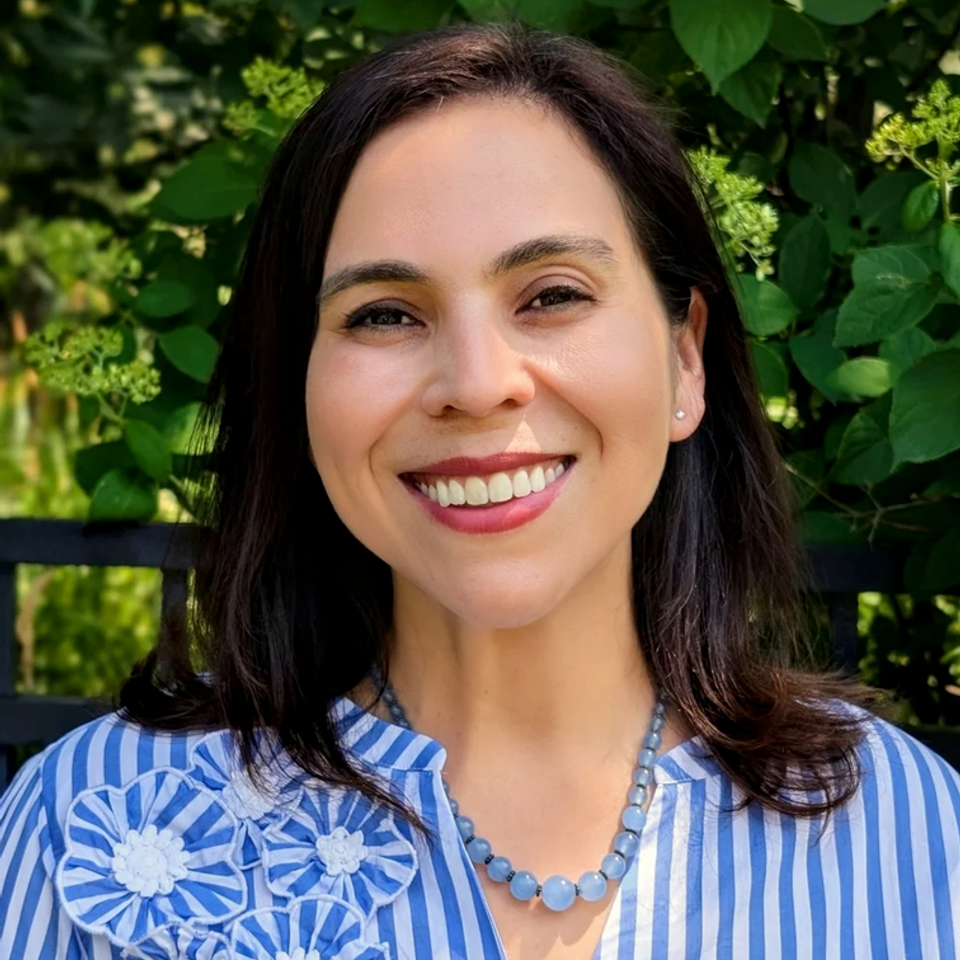
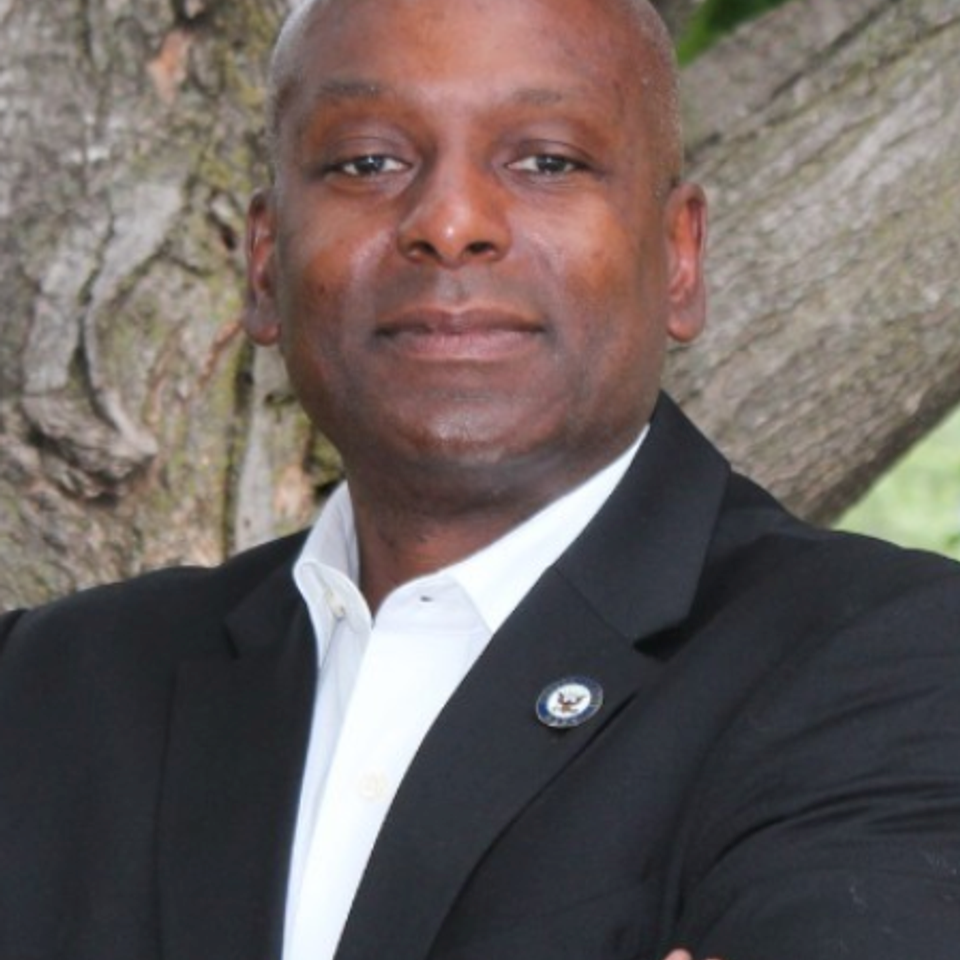
Mark A. Zuzek
The school board needs to stay in their lane. I was a founding member of Thrive, a DEI initiative in Hastings, so I have a strong history with equity work. Policy should reflect the need to set up all students for safety and respect. Equity is about identifying and eliminating barriers, and that should be our pursuit for each individual student. School boards establish and monitor policy. Administration develops protocols and procedures to implement and enforce policy.
What is your view on the district's nondiscrimination and anti-bullying policies as they apply to sexual orientation and gender identity?
Melissa Kinneman
I would improve the anti-bullying policy. I think it lacks a clear set of consequences as well as good ways of responding to those situations. It would be helpful to elaborate more and expand to be more conclusive on how we respond. This helps foster a culture and environment of “All Are Welcome” and creates a safe place.
Kendal Larson
I view "fairness" as the foundational principle. No child should face bullying or harassment for any reason, including gender or sexuality. It is my intention to ensure board impact reflects the value of treating every student equally and impartially.
Mark A. Zuzek
I am proud of our non discrimination and anti-bullying policies. Policy 505 allows us to keep taking anti discrimination and bullying seriously. The principle of equity should be at the center and it is understood that it is wrong to treat people poorly.

What is your view on teachers, staff, and students displaying inclusive symbols, like Pride flags or safe-space stickers, in classrooms?

Melissa Kinneman
I support individuals putting symbols in their own spaces that show that they are safe people for children to be themselves. I understand that it can be a complex issue and I respect that. I just know that for so many kids they need to mask who they are in order to feel safe in school and I find that so unfortunate. Symbols that say “I’m safe” to be who you are can be so validating.
Kendal Larson
First Amendment rights make this a complex issue. I am concerned that evocative symbols, such as Pride flags, Trump/MAGA flags, or confederate flags can be disruptive. My position is that the board should seek legal counsel before setting specific policies on larger symbols to avoid litigation and ensure constitutional compliance.

Mark A. Zuzek
While there is the current issue involving flags, which can be divisive when they support a single political, ideological, or religious perspective. “Safe space stickers” that identify adults who are safe to talk to about complex issues and are trained to help students discern the challenging circumstances they are managing are okay.
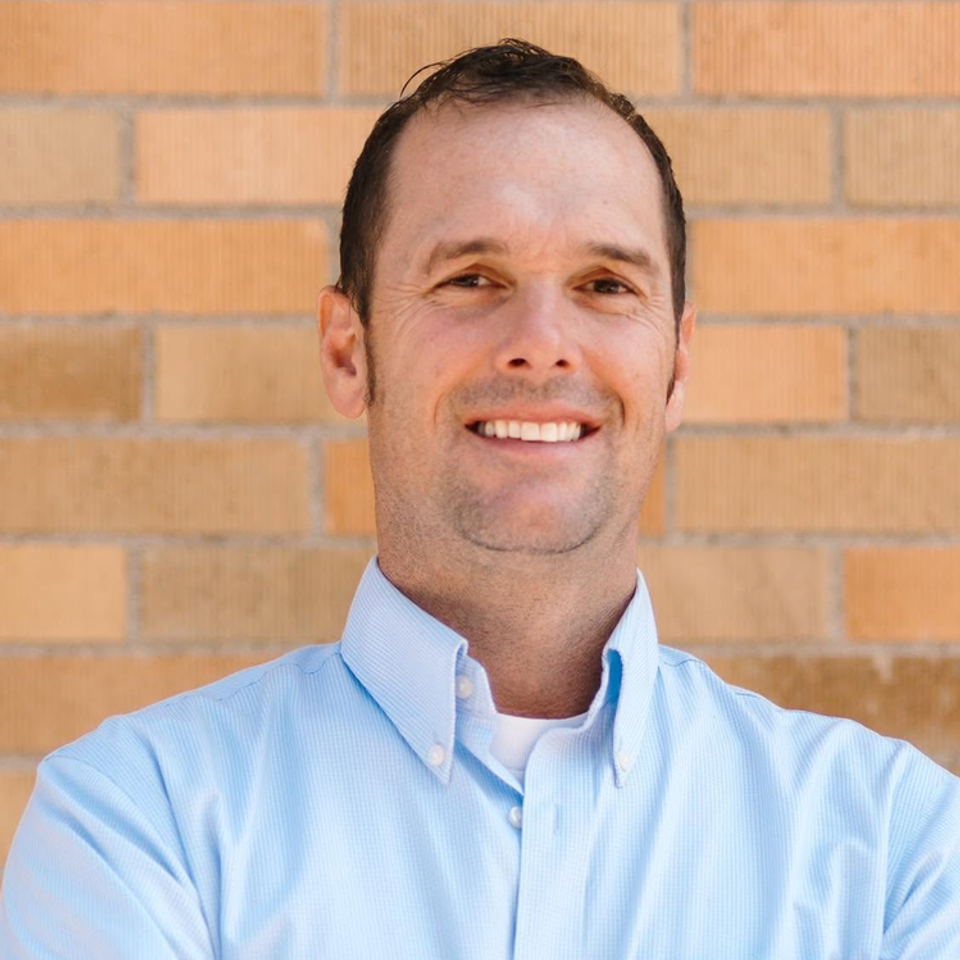
Federal rules and laws and state statutes dictate we need to allow students their free speech rights, while we also recognize the limitations for our staff as public employees. School boards are in a difficult spot, and developing a policy that respects that is important.
What process should the district use for challenges to books and materials that are available in school libraries?
Melissa Kinneman
I’m concerned about the current backlash, and a huge issue has been people making decisions based on their own belief system on what people should have access to read. Experts, such as librarians, are trained to be able to supply developmentally appropriate books and those that have educational value. Books are important and shouldn’t be removed based on belief systems that make them feel uncomfortable. A diverse committee is an appropriate way to address challenges to books and materials.
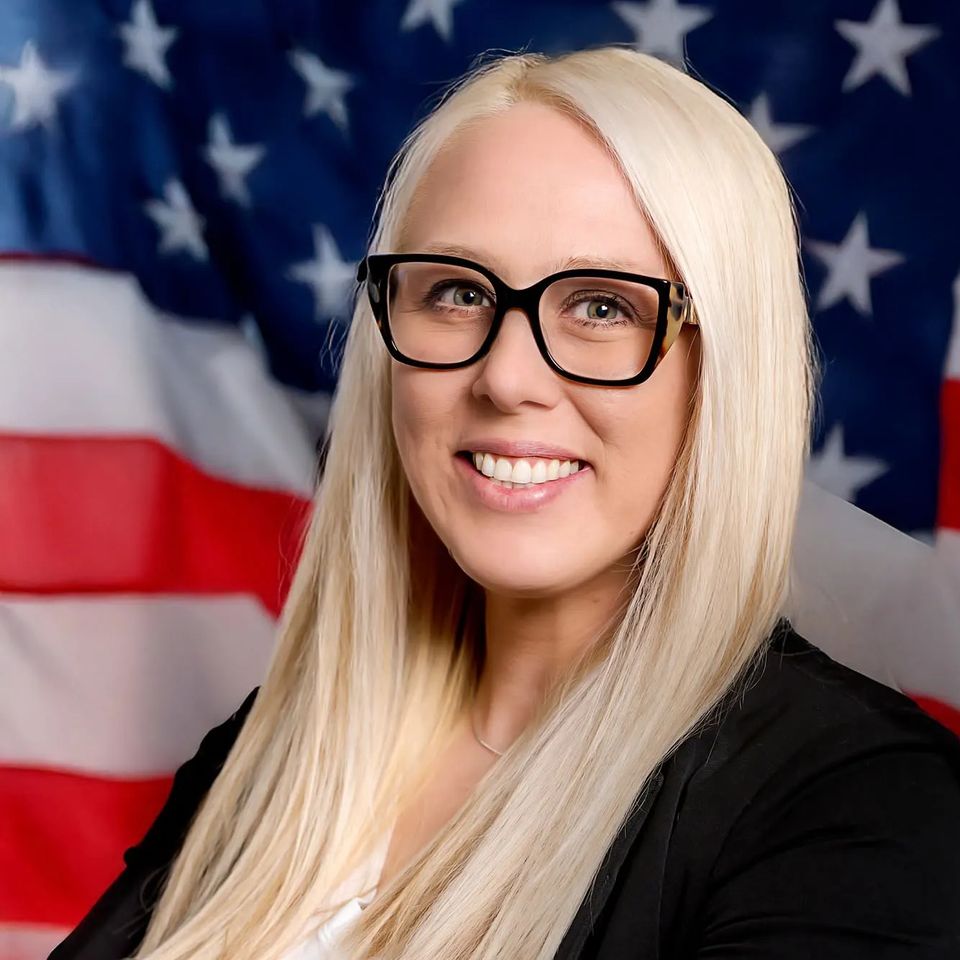
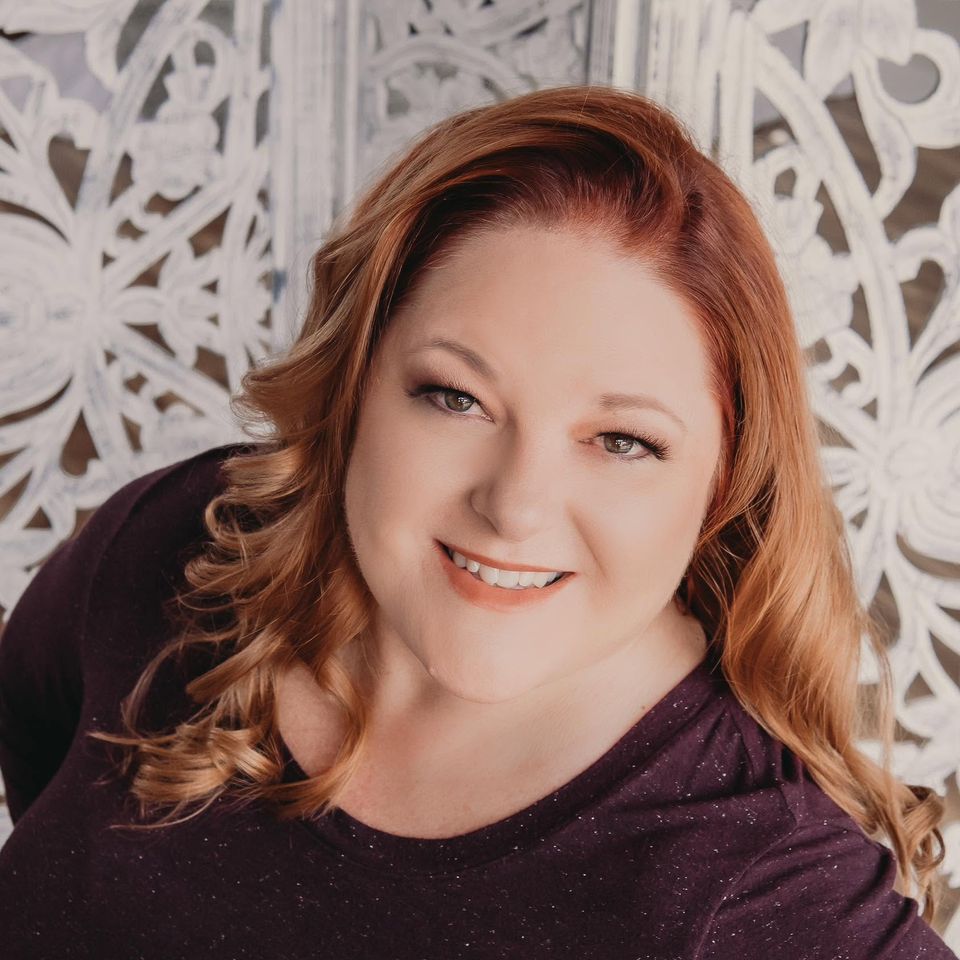
Kendal Larson
I support following established professional protocols and Minnesota Department of Education guidelines. I believe the board’s role is to work with the superintendent to hire excellent professionals, such as librarians and administrators, and trust their expertise in reviewing books for age-appropriateness and curricular fit. I’ve met the superintendent and other staff and they are all smart, top-notch professionals. Policy 606.5 is the correct framework and the board needs to practice empathetic listening to parental input without allowing one parent to dictate terms for the whole district.
Mark A. Zuzek
The school board’s voice in the process should be limited and trust the expert professionals that are more qualified in providing books in the libraries. It is important for the board to ask good questions. Policy 606.5 is the appropriate and good place for that discussion. While families can decide what their child reads and is exposed to, they can’t decide what other people’s children should read and be exposed to. There are kids whose life experience is more confined and protected leaving their awareness and perspective not being broad while other kids have experience with vastly different things and have questions that others might not think about. Our current policies do a good job of outlining a process for adopting materials into different school settings. Appropriately, the process differs for curriculum adoption, library adoption, and classroom library adoption. There is an appeal process and parents have the ability to help manage what resources their child has access to.
What supports should the district have in place for students, teachers, or staff who experience bullying or harassment related to their identity?
Melissa Kinneman
Trust and protection is very important. Clear consequences and training for staff helps foster this dynamic. There should be a very clear and accessible way for people to have access to resources. Students need a safe space to help them deal with issues. We need to train staff to help them understand what words or statements would be considered harassment or bullying.
Kendal Larson
The existing policies, Policy 536 (Gender Inclusion), Policy 413 (Harassment and Violence), and Policy 514 (Bullying), do a good job supporting these efforts. Eliminating Policy 100, addressing equity, was a disappointment. I view the board's role as high-level policy creation and oversight rather than micromanagement, ensuring professionals have the tools to implement these protections effectively.
Mark A. Zuzek
The school board must make sure that they develop and maintain a climate where all people feel welcomed and respected where they can bring their whole self to work or school. Everybody needs to feel safe and completely included. Three pillars in this work are physical, emotional, and mental well-being, and should be at the center of that support.
If the district faced community backlash or funding threats over policies supporting LGBTQIA2S+ students, how would you respond as a board member?
Melissa Kinneman
What is right is right. Even if it impacts funding we can’t cave to threats. We must have a moral high ground and advocate for student’s rights.
Kendal Larson
I would approach backlash with respect, empathy, and fairness. While I value parental control and input, I maintain that student access must be protected. Decisions should be based on facts and professional reviews rather than community pressure.
Mark A. Zuzek
Policy 100, the equity policy containing DEI efforts helped to keep kids safe. Concerns about the district losing money due to having a policy on DEI was an inappropriate reason to not continue to have policy 100. It is the school board’s responsibility to help keep kids safe. The district’s strategic plan includes equity, but there’s more work to be done. Policy 100 was more explicit and direct. Students suffer harassment, hazing, and bullying at school and on-line for many reasons. They often tolerate sticks and arrows that we as staff are unaware of. They need heroes and advocates. As school board members, we need to provide policies and set clear expectations as we represent the broader community.
What is your vision for school resources dedicated to student inclusion work,
ensuring that every student, regardless of background or identity, can thrive?
Melissa Kinneman
It is important that we understand what people are experiencing. Resources could be as simple as having access to books or opportunities for plays that show different cultures and backgrounds that help to provide empathy. Having an area in the library that provides access to different books that help learn about different backgrounds and cultures of their own. There are many different paths of inclusion and we should strengthen all opportunities.
Kendal Larson
My vision is to provide a springboard for students to enter a modern workforce, including trades, agriculture (drones/GPS), and AI-driven business. I aim to replicate the high-quality education I received, ensuring Hastings ISD 200 prepares kids for a globalized, high-tech future. Fairness is the foundation giving our students the possibility to learn from our highly qualified professionals.
Mark A. Zuzek
We should repeatedly train all staff as things change and it’s important for staff to be clear with kids on what’s accepted and expected. Retaining an inclusive culture and climate is the primary goal because if kids don’t feel safe and included they can’t learn. There is some work to do for the culture in our buildings, but our training, discipline process, and our mental health team will lead us on the right path. Our goal is that each and every child can thrive as they bring their “whole self” to school each day.
Prepared by the Hastings School Board task force of Prism Organizing Network, developing leaders for LGBTQIA2S+ safety, dignity, and freedom across Minnesota. Contact Prism Organizing's East Suburbs regional lead Lori James (lorihj351@gmail.com) for more information.


HUTCHINSON

2026 SCHOOL BOARD CANDIDATES & FORUMS

The Hutchinson School Board has 3 of 6 seats up for election this fall, and 4 candidates have filed to run.

2026 Candidates

Apple on stack of books

Tiffany Barnard

Garrett Luthens

Garrett Luthens

(incumbent)
Tommi Lynez Smith

Tommi Lynez Smith

Write-in Campaign

www.facebook.com/tommilynez
Danny Olmstead

Danny Olmstead

(incumbent)
Apple on stack of books

Lisa Rasmussen

League of Women Voters Candidate Forum

Prepared by Prism Organizing Network, developing leaders for LGBTQIA2S+ safety, dignity, and freedom across Minnesota. 
 

INVER GROVE HEIGHTS