Prepared by Prism Organizing Network, developing leaders for LGBTQIA2S+ safety, dignity, and freedom across Minnesota.
SOUTH ST. PAUL
2026 SCHOOL BOARD CANDIDATES
The South St. Paul School Board has 4 of 7 seats up for election this fall. 10 candidates have filed to run.
2026 Candidates
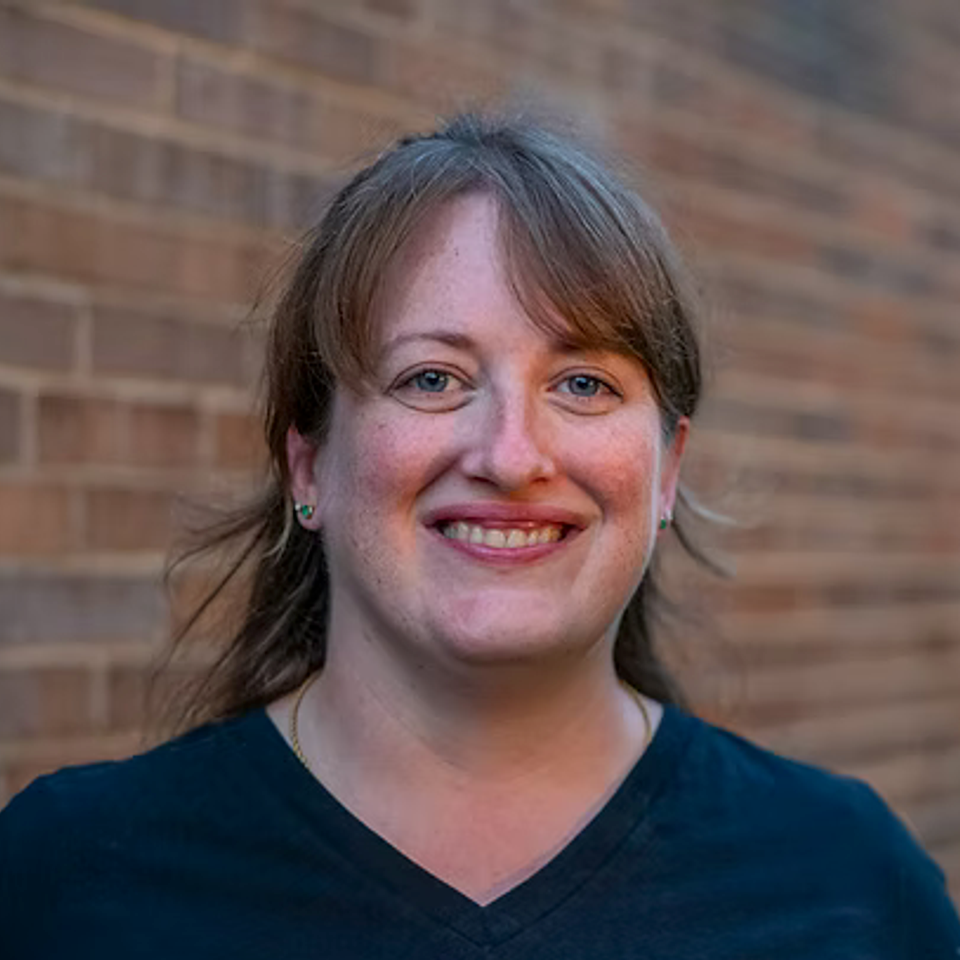
Anne Claflin
(incumbent)
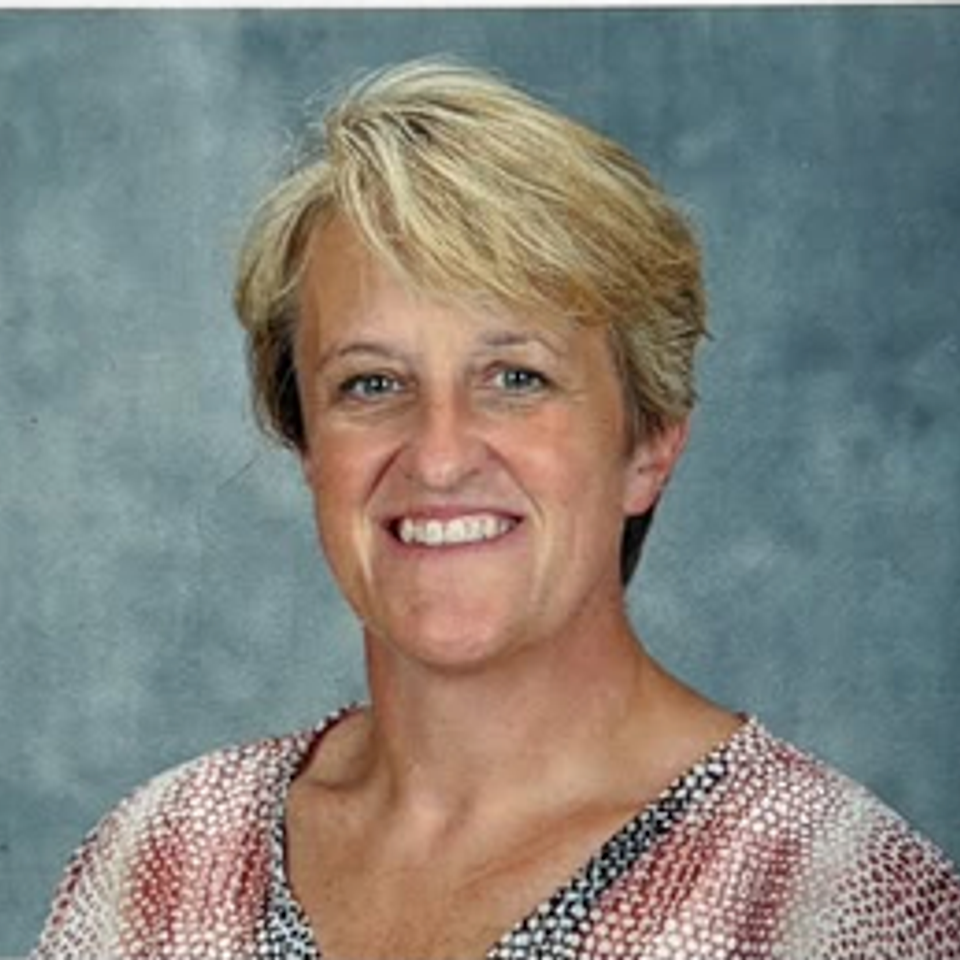
Ann Schultz Counihan
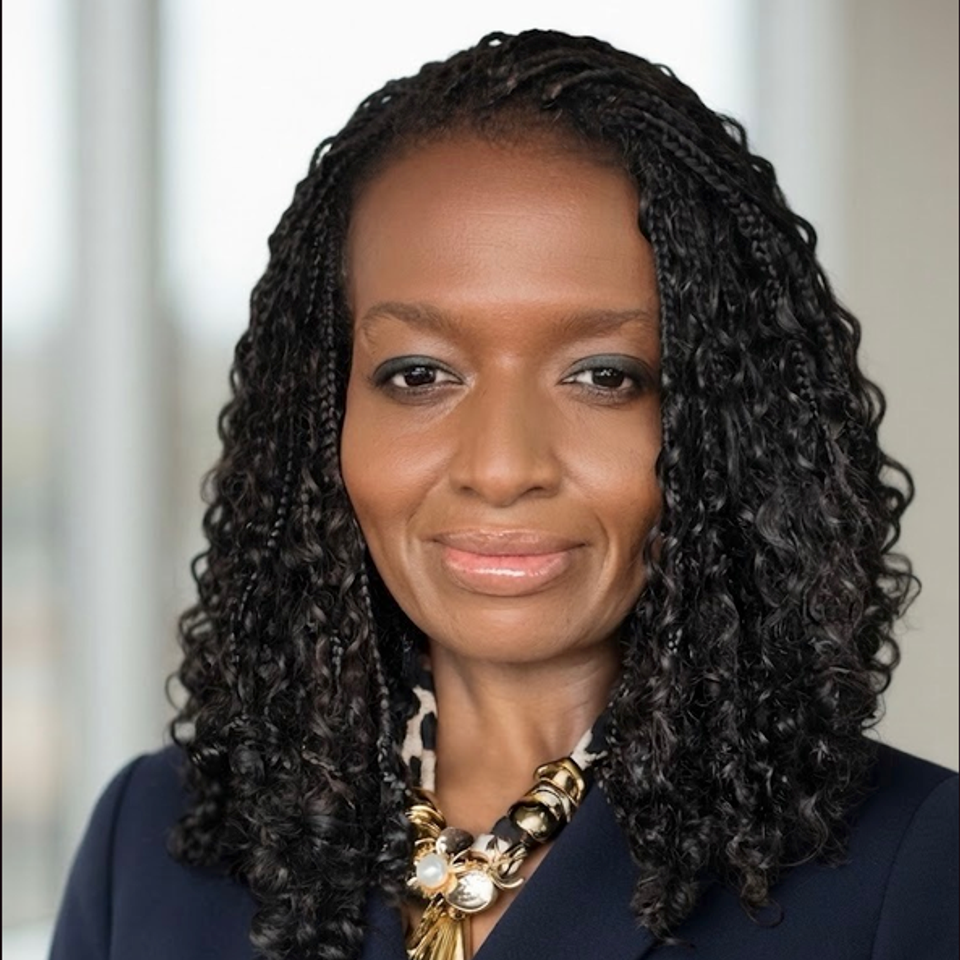
Sanderia Davis
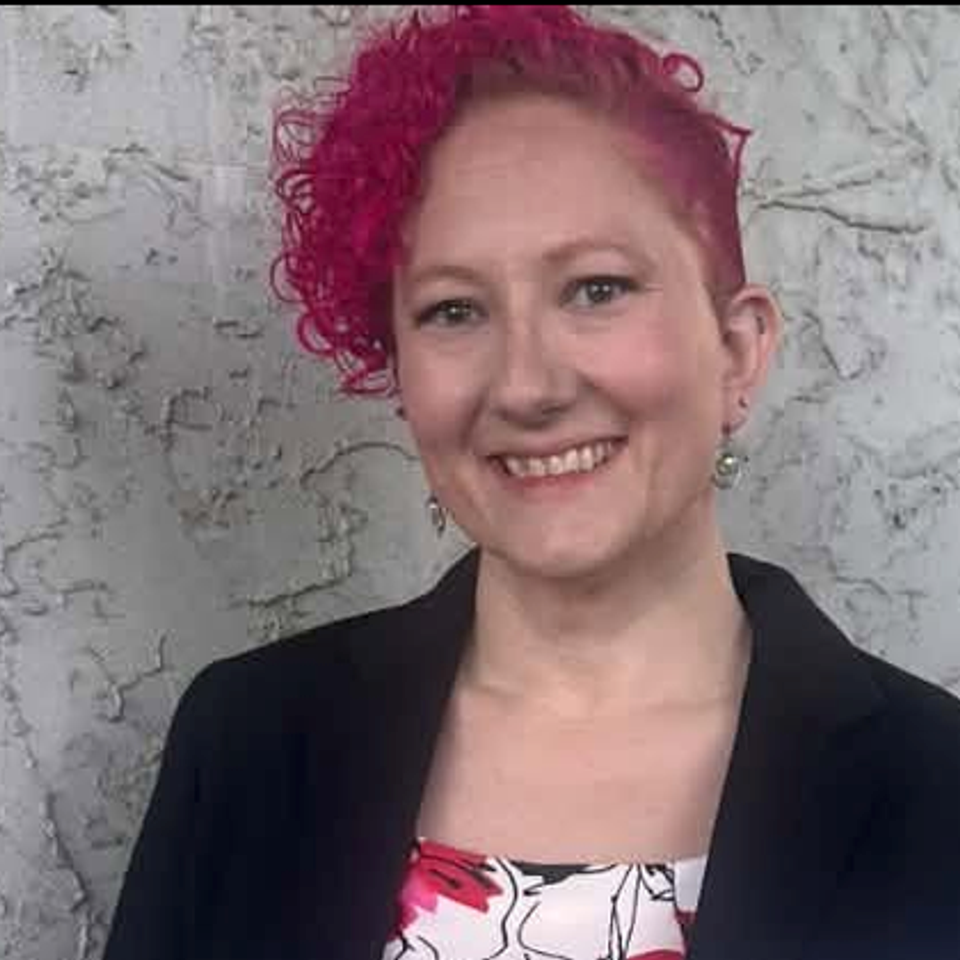
Christine Estee
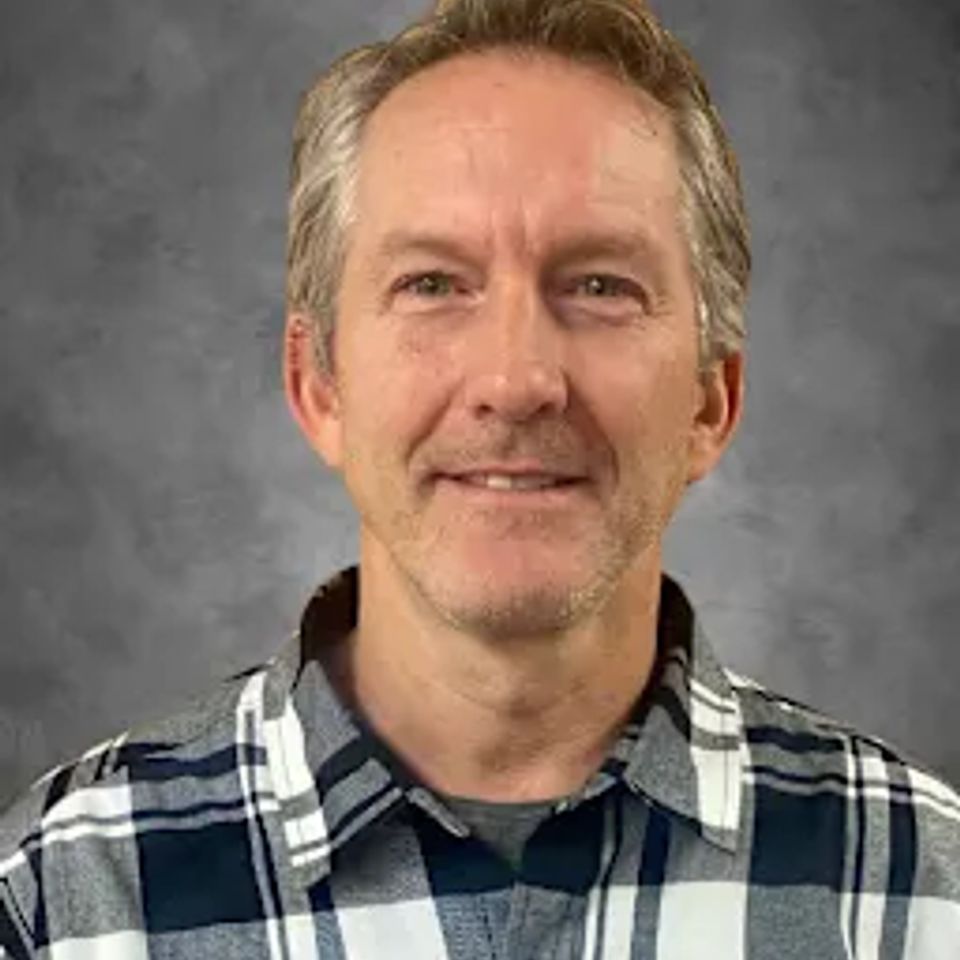
Timothy Felton
(incumbent)
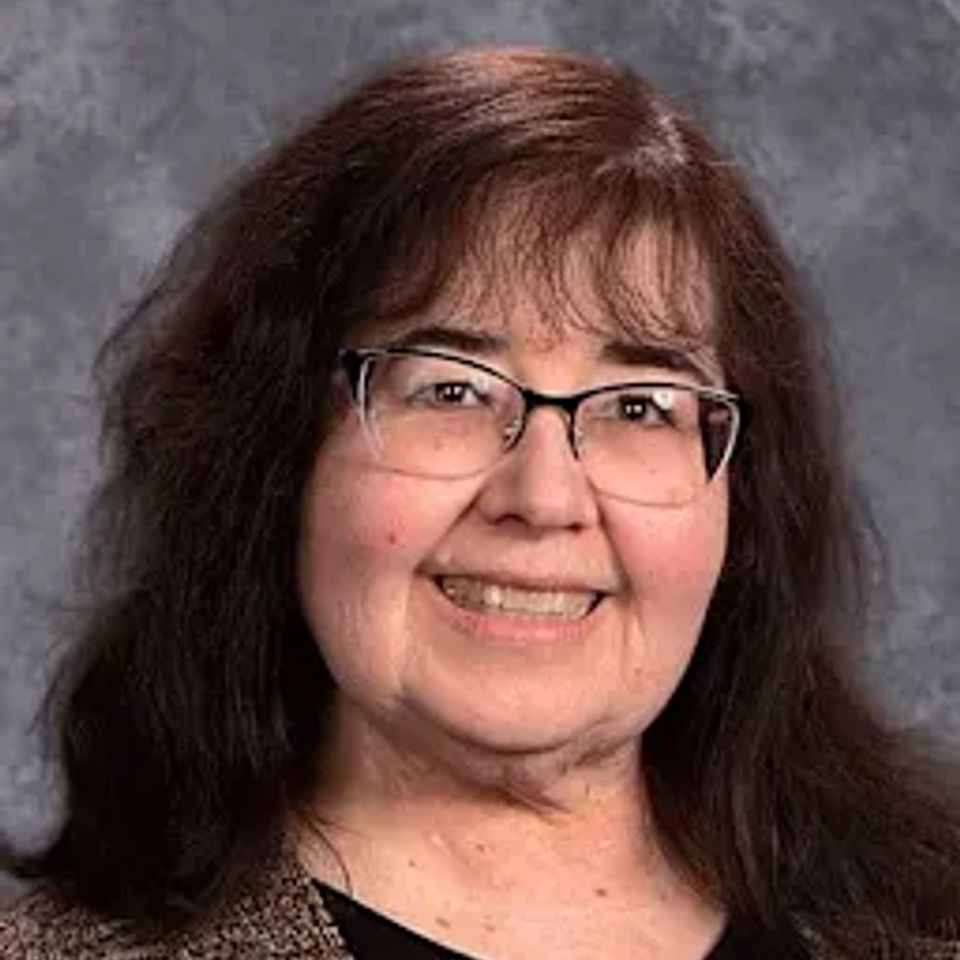
Wendy Woods Felton
(incumbent)
(incumbent)

Andrew Hoffman

Kim Humann
(incumbent)
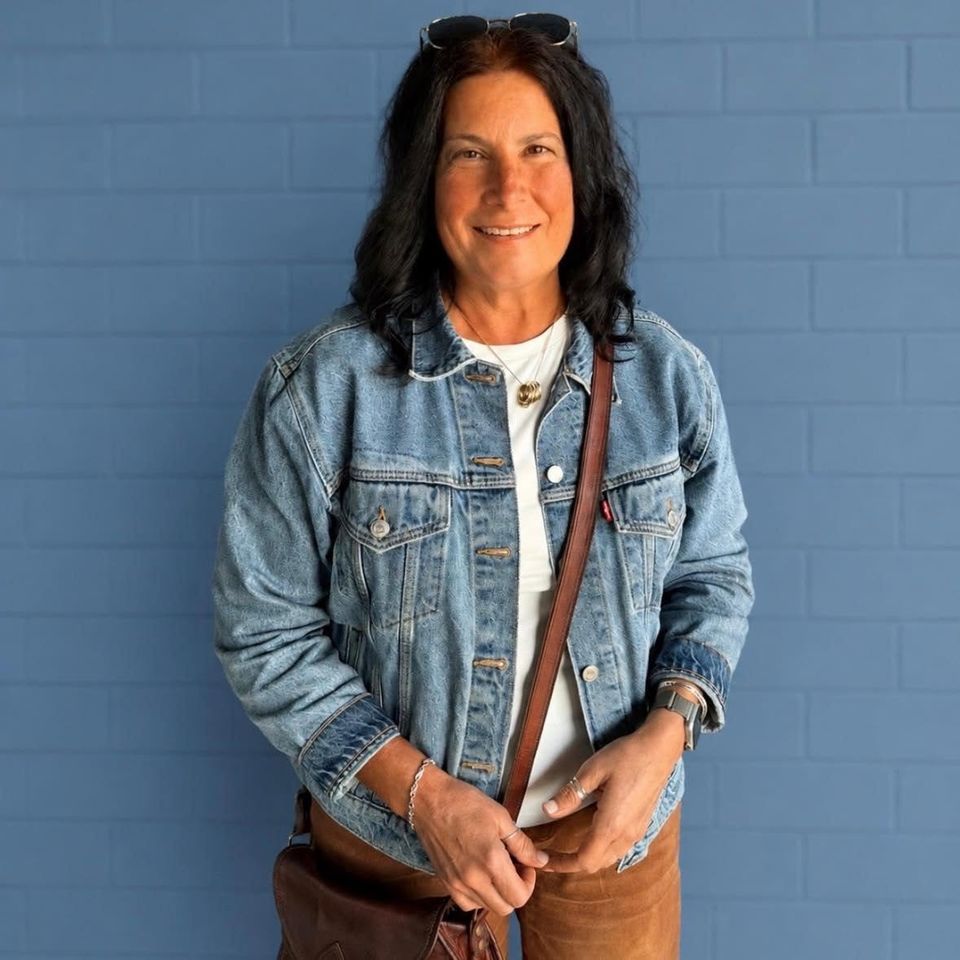
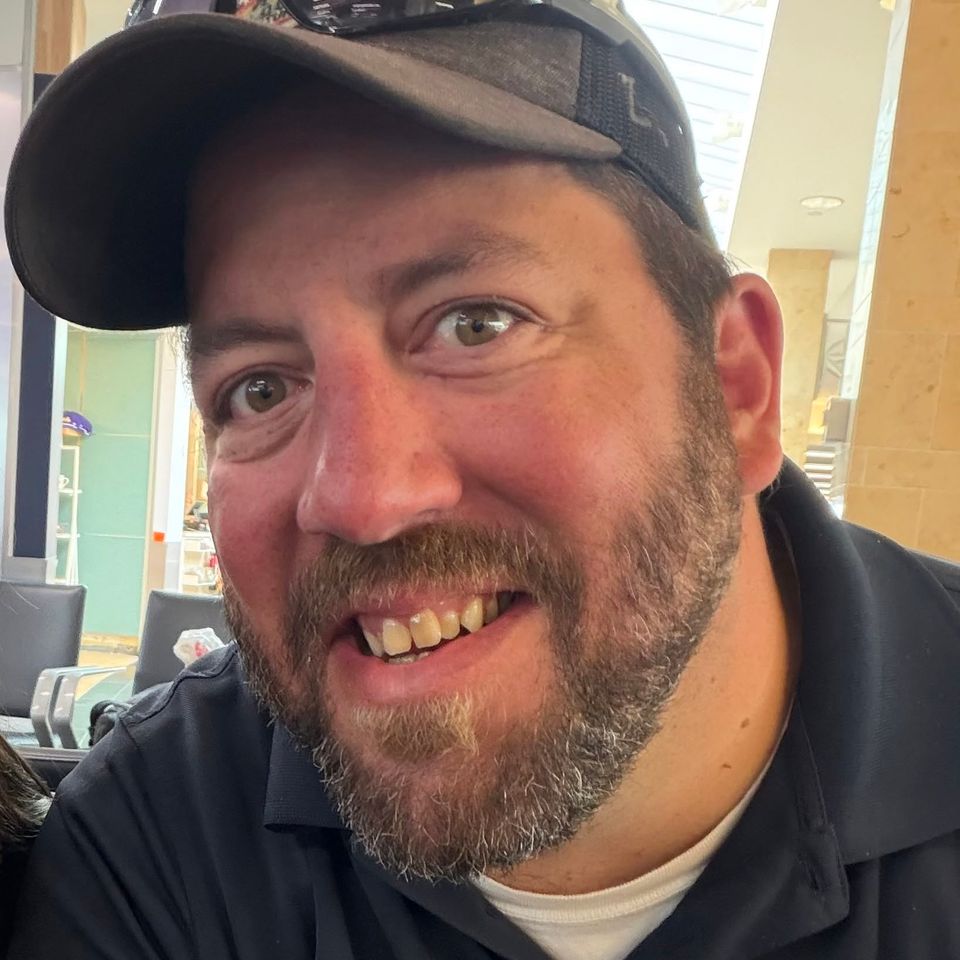
Nicholas Schaefer
Prepared by Prism Organizing Network, developing leaders for LGBTQIA2S+ safety, dignity, and freedom across Minnesota.
STILLWATER
2026 SCHOOL BOARD CANDIDATES
The Stillwater School Board has 4 of 7 seats up for election this fall. 8 candidates have filed to run.
2026 Candidates
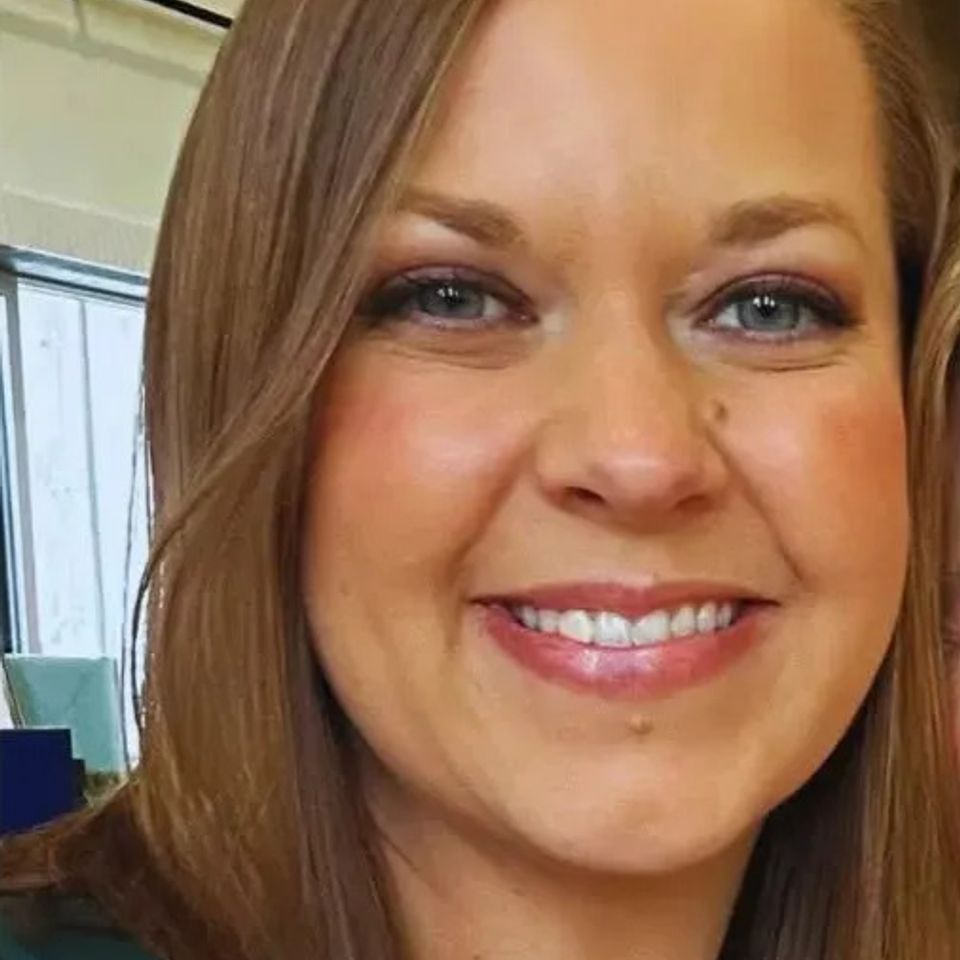
Ashley Cegielski

Zack Dinzeo
(incumbent)

Amilee Ellis

Jillien Haroldson

Pete Kelzenberg
(incumbent)
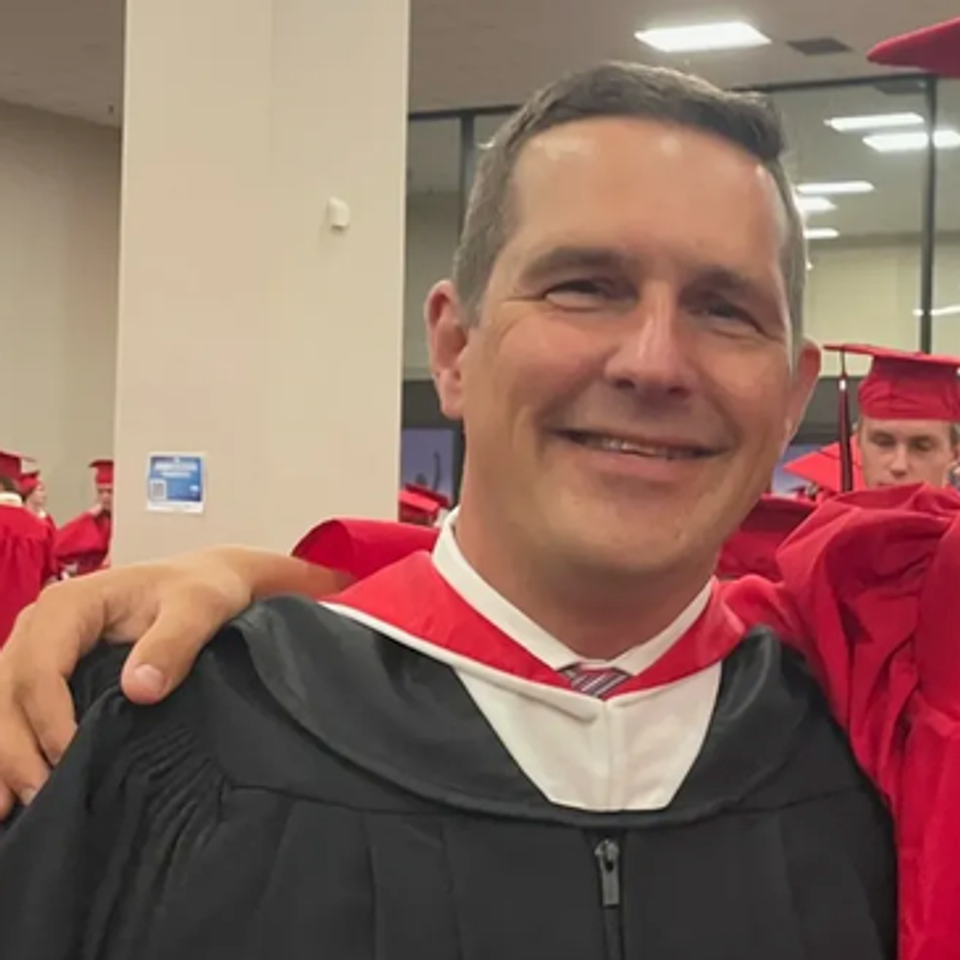
Christopher Lauer
(incumbent)
(incumbent)
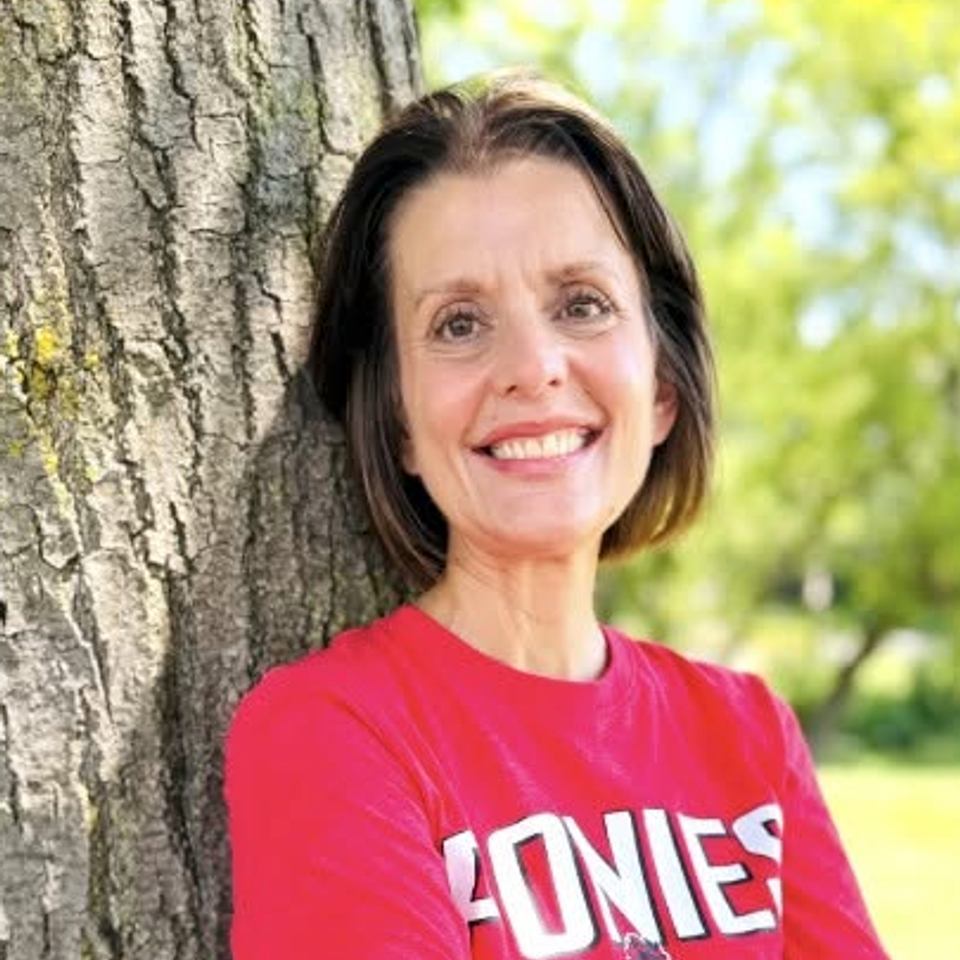
Alison Sherman
(incumbent)
Elizabeth Taylor-Schiro
LWV Candidate Forum
District 834 School Board Candidate Forum on September 12th at 10:15am
Candidate Interview Responses
Please tell us a little about your connection to the district. Do you have children who have attended, or will attend, Stillwater public schools?
Ashley Cegielski
Ashley has lived in Stillwater for the last 11 years and has been married for 13 years. She has four children. Two attend middle school and elementary school in the district. She has another child at River Falls HS and one who is in college.
Ashley is currently the Chair of Bayport Elementary Parent Group and has been a member of the group for 5+ years. She is a finance professional and is also on the District Finance Committee. In both of these roles, her primary focus is to make sure that policy and budgets reflect the best interests of all students. She believes that data-driven analysis is the key to good decision-making.
Her involvement in these organizations is where she learned about the workings of the school board and how to understand the budgeting and finances of the district. She was encouraged by colleagues in these organizations to run for the board because she is a good listener and is willing to put in the effort to understand things on a deeper level.
Zack Dinzeo
My wife Nichole grew up in Stillwater, graduated from Stillwater, and has worked in the District for over 10 years now in School Age Care and is currently a Coordinator there. We have two kids together, Declan who will turn 5 in October and will enter Kindergarten in 2027, and Delaney whom is 2. Both will attend Stillwater Schools as we actually moved back to Stillwater last year due to our belief in our School Staff and educators.
Amilee Ellis
I’ve got 5 kids–two adults who graduated from Stillwater Area High school, one in high school, one in middle school, and one in elementary school. One of my daughters was in the GATE program and took PSEO classes through Century. She graduated from high school with an AA degree. My grandmother, my mom and I also graduated from Stillwater, and my grandmother was on the school board. I have a family member who is part of the LGBTQ community.
I’m running for school board because students need more mental health support, more social workers, more librarians, more books, more time in nature, and more play-based learning.
I’m running for school board because students need more mental health support, more social workers, more librarians, more books, more time in nature, and more play-based learning.
Jillien Haroldson
Jillien has 4 children who are in the Stillwater Schools: a 6th grader, 4th grader and 2 kindergardeners, who were also in pre-k. Her family has lived in the district for 9 years, and she has been involved both as a class volunteer and in PTA. Her middle daughter has medical concerns, which prompted significant school involvement as a mom. She is familiar with other schools in the district via her friends.
Christopher Lauer
I’ve got one son who graduated from Stillwater High School in 2023 and one that is a senior this year. We came from Minneapolis and moved here because we like old houses. It’s a nice place to raise a family. We’ve been hip deep in school for 16 years. I’m running for school board again because I want to support that feeling of stability.
Alison Sherman
Alison has a son that graduated from Stillwater Area HS and attended both Oak-Land Middle and Lake Elmo Elementary. Like most parents, she started as a classroom volunteer, and PTA member. She noticed that decisions were being made at the school board level. This led her to attend more school board meetings. There had been some turbulence on the board in the past and Alison started writing meeting summaries for lengthy board meetings to help the community get easy access to information and educate the community about topics of interest and board decisions. 2020 was when Alison first ran for school board and has been on the board for the last six years. Alison is actively involved in the Association of Metropolitan School Districts (AMSD) as Chair and has enjoyed getting into the policy and legislative advocacy side of education. Alison wants to continue encouraging engagement with people affiliated with our schools as well as the many community members who don’t have an active connection to our schools but strongly support them. Schools should be welcoming, safe environments for all learners and staff so learning can be the focus.
Elizabeth Taylor-Schiro
Our immediate family is just myself, my husband Travis, and our 4.5 year old son Jude (as well as our pup and kitty!). We have lots of extended family peppered throughout Wisconsin and Minnesota - but no one else that lives in the district. We’ve lived in the district now for almost 7 years and Jude will attend Brookview when he starts kindergarten next Fall.
We have worked with the district already though, because Jude has an IEP (individualized education plan) through the early childhood special education services with the district currently for speech - he used to also have it for large motor and social-emotional but then progressed out. We are actually going to have him retested for large motor. That has been an excellent source of support from the district that we have been utilizing for almost 3 years now.
What role should the school board play in making sure LGBTQIA2S+ students feel safe, respected, and able to be themselves at school?
Ashley Cegielski
Ashley believes every kid should feel that way. “I want my children to be proud of the district they are in.” She feels that children deserve a safe environment where learning can happen and that they feel like they belong. She would like to review policies and expectations around bullying and harassment to ensure kids feel safe asking for help and will uphold these policies and make sure they are being followed. “I am an ally.”
Zack Dinzeo
Every student and staff member deserves to feel safe, respected and welcome in their school regardless of who they are or how they may identify. Our Role as board members is to set clear expectations and policies for respectful behavior and that clearly shows that bullying, harassment, and discrimination are taken seriously. We also need to listen to our students, families, teachers and staff to make sure we are making decisions based upon not only what is best for our students and combine those with research, data and current laws.
Amilee Ellis
The school board should play a huge role in that because they make the policy. They’ve got a GSA (Gender & Sexuality Alliance) Club at school. Students need a safe and inclusive space to go. Students need more education on how to understand themselves and other people, to think independently, and to be accepting of others.
Jillien Haroldson
Jillien is still learning the role of a school board member, but she believes that environment is essential for student safety. A respectful, open-minded environment that encourages interest in learning and critical thinking helps students explore their capabilities, whatever their learning style. All students should be seen as an asset to our community.
Christopher Lauer
The teachers and counselors do all the work in this area. The teachers know the students’ stories and know what kind of help students need. It’s problematic because we lost some counselors and some specialists due to $12 million in budget cuts during the last couple years. Now their caseloads are too big. They can spend less time individually helping kids. The school board can provide more support by having the necessary staffing. We say yes and no to funding things. The board’s role is really in supporting the administration that puts a structure in place for kids that need help. We’re going to have to go out for an operational levee I would imagine next year. You can only cut your way out of it so much to balance the budget. Sometimes you’ve got to grow. We’ve got to work with the legislature for sustainable funding. I’m very concerned about having another trifecta in state government and that well intentioned people will create more unfunded mandates. We meet with legislators once per year and let them know that their decisions have a real-world impact.
Alison Sherman
Alison believes the same policies and goals for helping to create a safe and welcoming school community should apply for all marginalized groups of students and teachers. She noted that the board recently supported Identity Harm Protocols which creates a framework for inclusiveness including policies and procedures if/when students may be bullied, discriminated against, or excluded for how they show up. The policies and procedures created were in alignment with the district’s strategic plan. It is a balanced approach that makes sure victims feel supported and heard while holding people appropriately accountable. The goal is to educate students and staff and provide restorative practices for all parties. Policies, identity harm protocols and the district’s behavior matrix have been developed so expectations and outcomes are predictable and known. The goal is to ensure a healthy environment for learning is established. Students also need trusted adults they can talk to help ensure a supportive learning environment. There is more work to be done in support of our district’s strategic plan and Alison is committed to partnering with her fellow board members, students, superintendent, staff, and the broader community to make sure that happens.
Alison also feels it is important for board members to be ambassadors in the district. She makes time to attend activities and tries to make herself available to affinity groups throughout the district to make sure they are seen and heard. Legislative advocacy around sustainable funding is crucial to ensure that schools have the resources they need to provide what students need to thrive. What people want from their school experience is similar: a safe environment where kids can learn and grow. Everyone in the district can help to reach out to legislators to make their voices heard about funding and sufficient support to address mental health and well-being needs in our schools.
Alison also feels it is important for board members to be ambassadors in the district. She makes time to attend activities and tries to make herself available to affinity groups throughout the district to make sure they are seen and heard. Legislative advocacy around sustainable funding is crucial to ensure that schools have the resources they need to provide what students need to thrive. What people want from their school experience is similar: a safe environment where kids can learn and grow. Everyone in the district can help to reach out to legislators to make their voices heard about funding and sufficient support to address mental health and well-being needs in our schools.
Elizabeth Taylor-Schiro
I believe student mental and physical health and well-being should be the school board’s highest priority, regardless of how a student identifies. While college, career, and civic readiness are important outcomes, students cannot fully learn, thrive, or reach those goals if they do not feel safe, supported, and well. Research—and our own experiences in schools—consistently demonstrates the close relationship between students’ mental and physical health, sense of belonging, and academic success.
My leadership is also grounded in a universal design lens: an upstream approach that intentionally designs policies, programs, processes, and environments to work well for the greatest number of people from the outset. That means considering the experiences and needs of the students and families most likely to be impacted during the design process, rather than trying to address inequities after the fact.
We know from our own district data and broader research that LGBTQIA2S+ students can face disproportionate challenges related to mental health, physical safety, belonging, and safety from both peers and adults. Their experiences therefore need to be part of how we think about school culture and how we design the policies, programs, and initiatives that shape it.
Creating an inclusive and supportive school culture should be intentional, not incidental. I believe students and families who identify as LGBTQIA2S+ should have meaningful opportunities to inform the development, implementation, and ongoing evaluation of the policies and programs that affect their lives. Their voices should not be sought only after a decision has been made; they should be part of the process from the beginning.
When we design with—and not simply for—the students and families who may be most impacted, we create stronger systems for everyone. At the same time, I recognize that the ideal approach will not always be possible given current or future legal and policy constraints. In those circumstances, the board has a responsibility to work collaboratively with our superintendent, staff, students, families, and community partners to understand what is feasible, identify where we have flexibility, and implement the strongest protections and supports available to us.
For me, this is ultimately about creating schools where every student can be safe, healthy, known, and able to thrive—and where our commitment to student well-being is reflected not only in what we say, but in how we design and make decisions.
How does, or should, the district track school climate and student well-being for LGBTQIA2S+ students and staff specifically, alongside the broader student body?
Ashley Cegielski
Not sure how these things are handled in the district in this area; are there surveys; student surveys; mental health assessment; SABER; attendance reporting…bullying reports…having more data around statistics; how do things impact families and staff as well as students?
Zack Dinzeo
Anonymous student surveys that are conducted twice a school year would benefit us in determining how we are measuring and handling students well-being in our schools. These are items we can set up internally with no cost like through Google Forums and other areas. We also should be looking at attendance trends, harassment /bullying reports, and student engagement to help us determine how students are connected to our schools. We then need to act on the data we collect to help make meaningful change as if all students don’t feel safe and welcome in our schools than items like our test scores will not improve.
Amilee Ellis
I think student surveys are the best way to track this. The teachers, even the ones who are really close with the students, are going to miss some of the interactions that happen in the hallways.
Jillien Haroldson
She thinks that school climate and student well-being is currently tracked via letters and surveys. Teacher and staff imput is important and should be gathered.
Christopher Lauer
They do the saber three times a year to gauge student mental health in middle and high school. The teachers and counselors are doing all the work. They work together in teams and talk about every kid. They’re flagging kids for whatever they might need to help get them to the next level, to keep them moving. So for kids that are struggling academically or with mental health or socialization, they get help.
Alison Sherman
There are several processes for assessing students' academics and well-being. The SAEBERS assessment, given by teachers three times a year, is a social emotional and well-being risk assessment. This helps staff know which of their kids might need additional support services.
The BARR program (Building Assets and Reducing Risks) started at the high school, and Lake Elmo Elementary was among the first pilot elementary schools in the nation. The program is being rolled out to other elementary schools in the district through grant funding. These programs, and others, are a way of coupling social-emotional skills with academic learning. There is also an optional state-run student survey, conducted every three years that helps inform staff and board policy, procedures, and decision making.
Staff support is through our healthcare plan which provides coverage and access to self care practices and support. The PTA and other community groups help to make sure teachers and staff feel supported. A Superintendent Staff Advisory Group is being started this year to provide further voice across all staff groups.
The district has made significant investments in Curriculum. Recent literacy curriculum updates help ensure reading materials reflect all kinds of students. It’s important for learners to see themselves more accurately represented in the material and readings which goes a long way toward learning.
Elizabeth Taylor-Schiro
I aim to build a deeper understanding of student experiences across our district—not only for LGBTQIA2S+ students and families, but also for BIPOC students, students from other historically underrepresented or marginalized groups, and the broader student body. We need to understand both the experiences of students whose voices may be less represented and the experiences of our student population as a whole so that we can identify disparities, strengths, and opportunities for improvement.
I see that the district uses the Desired Daily Experiences survey, and I know the district also participates in the Minnesota Student Survey, which includes measures related to relationships, mental health, and student well-being. While that is valuable information, it is not a complete picture: students are not required to answer every question, and the survey is limited to grades 5, 8, 9, and 11. I would therefore want to understand what additional data and sources of student voice we currently have available.
Without knowing what other data may already exist, I would start with these measures as a baseline for identifying where we need to listen more deeply. Data can help us see where there are disparities or gaps, but the numbers alone do not tell the whole story. I would pair quantitative data with direct student and family experiences to better understand what is happening, why it is happening, and what we can do differently.
I want us to use data not simply to measure outcomes, but to identify whose voices we may not be hearing, where students are experiencing barriers or inequities, and where we have an opportunity to learn, improve, and build a stronger sense of belonging for every student.
If the district faced community backlash or funding threats over policies supporting LGBTQIA2S+ students, how would you respond as a board member?
Ashley Cegielski
Since she is not currently on the board, Ashley doesn’t know how she would respond, as she does not yet have all the information. She sees the School Board as a governing body and believes you must listen to everyone’s perspective and not make things political – including their fears and opinions. Ultimately, she would want to circle back to what’s best for students and families and use data and analysis to make the best decisions. She acknowledges that not everyone will agree with every School Board decision. Her goal is to do what’s in the best interest of students, families, staff, and the community.
Zack Dinzeo
No matter a decision a school board member makes they will always face backlash from the community on any decision made. Like any other topic when backlash is received my role is to listen to everyone’s feedback and make the best decision for our School District as a whole. Decisions need to be made based upon listening to our Students, Staff and community members combined with research and data. The best we can do is make sure everyone is being heard and make sure they know they are being heard.
Amilee Ellis
LGBTQ people are part of the community, and being accepted is better for their mental health, and everyone’s mental health, and lowers the suicide rate. You don’t have to agree with other people’s decisions; just be accepting. If people push back on moving things forward, use it as an opportunity to educate on acceptance.
Jillien Haroldson
If there was community backlash over a policy or funding threats, Jillien believes that the bottom line is student well-being. She sees the role of the board in such instances as holding the superintendent accountable and figuring out the funding as need be.
Christopher Lauer
Hopefully we’ve done enough work to know that the decision that we made is sound. If we’ve decided how we’re going to go, we listen, but there is no reason to go backwards.
Alison Sherman
The district created a strategic plan for our school district with input from students, staff, families and community members. That plan creates the strategic framework for what our community wants the board and staff to focus on supporting. The board and staff’s work reflects back to the strategic plan to make sure policies and procedures are in alignment. We have a very supportive community and Alison hasn’t had a lot of experience in receiving significant community backlash in the work of creating safe, bully-free, inclusive schools for all. Sufficient and sustainable funding is an issue in public education, but good policy and strong staff created procedures doesn’t have to cost a lot of money. The board is upping their game in funding advocacy as indicated by Alison’s participation in AMSD. The board is also required to meet all state and federal laws and this can change local budgeting priorities.
Elizabeth Taylor-Schiro
In moments like these, it is critical to develop a comprehensive understanding of the issue while recognizing that strong partnerships are more important than ever. As a board member, I would seek to understand the perspectives on all sides, gather both quantitative and qualitative data related to the policy being challenged, and work closely with our superintendent, legal team, and advisory councils—particularly those whose experiences and perspectives are most closely connected to the issue at hand.
Our district’s model of community engagement is rooted in the belief that community should help lead the decisions that shape our schools. I am committed to leading through that model, especially during turbulent and contentious times. Effective leadership does not mean having all the answers; it means asking the right questions, listening deeply, relying on evidence and expertise, and creating the conditions for our community to move forward together. Even when there is disagreement, I aim to lead with transparency, respect, and a shared commitment to doing what is best for our students and our district.
Our district’s model of community engagement is rooted in the belief that community should help lead the decisions that shape our schools. I am committed to leading through that model, especially during turbulent and contentious times. Effective leadership does not mean having all the answers; it means asking the right questions, listening deeply, relying on evidence and expertise, and creating the conditions for our community to move forward together. Even when there is disagreement, I aim to lead with transparency, respect, and a shared commitment to doing what is best for our students and our district.
How would you want community members and organizations to be able to work with the board to make the district more inclusive for students, families, and staff?
Ashley Cegielski
Ashley appreciated our interview time and wished she could have the same time with all the members of the community. She believes it is important for community members to attend School Board meetings and participate in the district however they can. She knows it will be important to talk with families, students, and community members to make sure their needs are being heard. “I want everyone to feel safe and supported.”
Zack Dinzeo
We need to work together by having meaningful conversations. Board members shouldn’t have all the answers and are not the experts in every situation so I believe that it is our role to make sure we listen to others that have experience in areas like supporting students which can be done by building partnerships.
Amilee Ellis
I think we’ve gone backwards by trying to stop everyone from talking at the school board meetings. You have to call ahead or write to the school board members. You have to get approval for what you’re going to say. They don’t have open forums. People feel like they’re not able to speak. I feel like our board is really shutting out the community, and I feel like the community is not being heard. We’re really blocking out a lot of people’s concerns. Everyone should have more of a voice and be able to be heard.
Jillien Haroldson
She views being a board member as a shared learning experience with the community coming together and getting to know one another. All people can have access to board members informally and also via email and phone contact to relay their experiences and ideas about inclusivity.
Christopher Lauer
I think the school board needs to be more intentional about actually getting community feedback. We get feedback at the building level, but we need to do better at the board level. We’re reacting and we could be getting in front of things. We let people speak in front of the board for 3 minutes, but I would prefer to let people talk longer. Some people need more time to get their thoughts out and to know that they have been heard.
Alison Sherman
The board needs voices from the community - what’s working, what could be improved. Budget reductions are painful and make staff’s work more challenging and ultimately reduce the supports students and families rely on. Alison encourages community members to share experiences with legislators and help the district advocate for full funding and support for education, as well as the equitable distribution of resources among districts. Email legislators how insufficient funding has impacted your family! They need to hear from community members and not just the school boards and education professionals. Alison will be working on how to better open channels of communication with community members and increase legislative engagement within the broader community. It’s important to create connections. She appreciates when community members step up to say “how can we help”. We will accomplish more working together.
Elizabeth Taylor-Schiro
The three values that guide my leadership are love for, partnership with, and transparency with our students, staff, families, and communities. I want to continue strengthening the ways our school board listens to, partners with, and meaningfully engages the people and organizations that make up our district—including students, families, staff, and community partners.
I already see strong examples of this work, particularly through the district’s advisory councils and committees, community engagement specialists, and opportunities for youth voice and leadership. I want to build on what is working while also being honest about where we can do better.
Similar to question #3 and the importance of tracking student climate, I would want to better understand how we currently measure family, community, and school partnership and engagement—and identify additional ways we can measure it meaningfully. We cannot strengthen what we do not understand. By listening to our communities and using both quantitative and qualitative measures to understand their experiences, we can identify gaps, hold ourselves accountable, and make informed decisions about where deeper partnership and engagement are needed.
People are losing trust in our public schools, so we need to continue to work toward building trust with relationships, and I believe authentic engagement and trust building is not simply about inviting people to the table; it is about ensuring their voices are heard, valued, and reflected in the decisions we make.
Prepared by Prism Organizing Network, developing leaders for LGBTQIA2S+ safety, dignity, and freedom across Minnesota. Contact Prism Organizing’s East Suburbs regional lead Lori James (lorihj351@gmail.com) for more information.
ST. PAUL
2026 SCHOOL BOARD CANDIDATES
The St. Paul School Board has 3 of 7 seats up for election this fall. 7 candidates have filed to run.
2026 Candidates
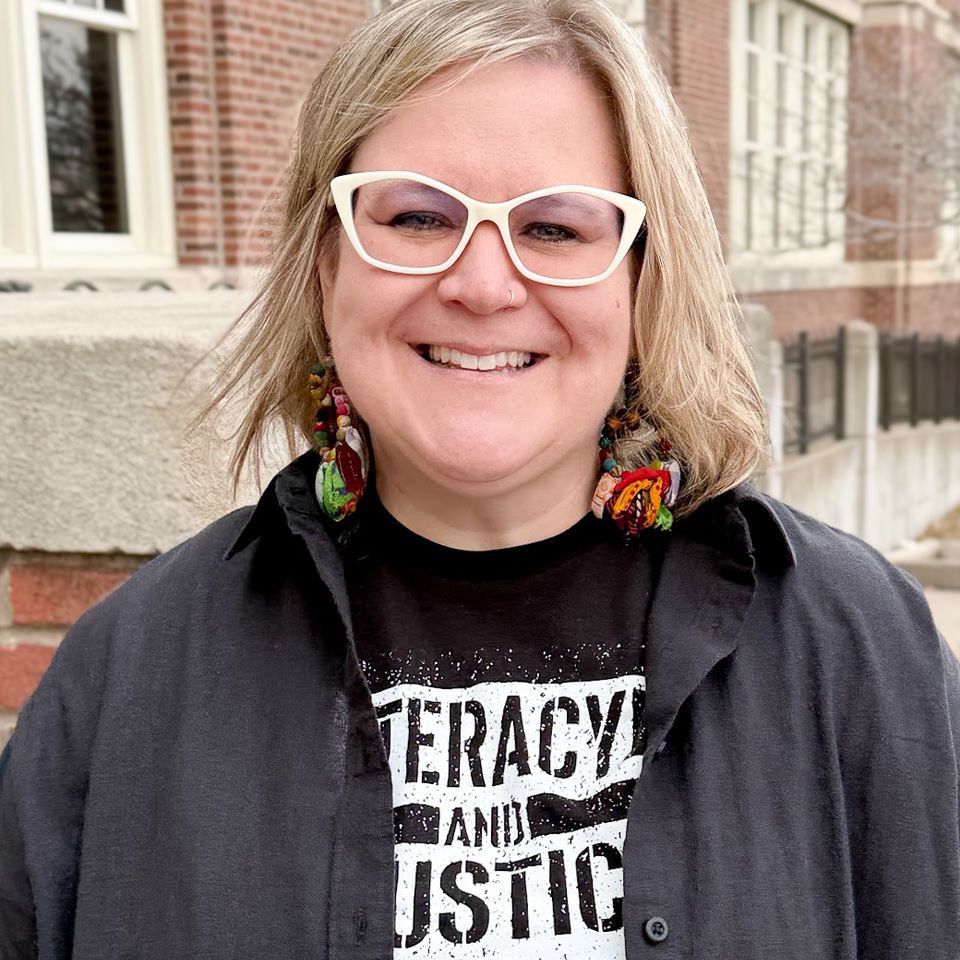
Stephanie Anderson
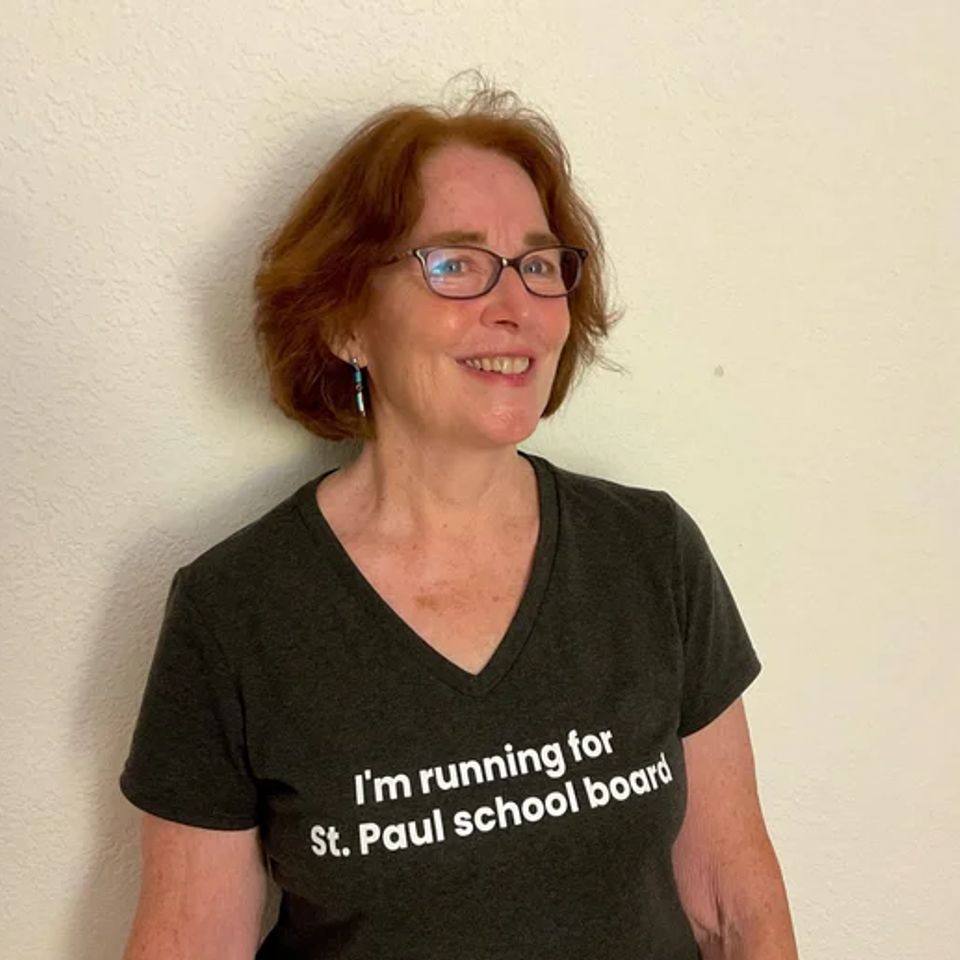
Teresa Glass

Tamara Mattison
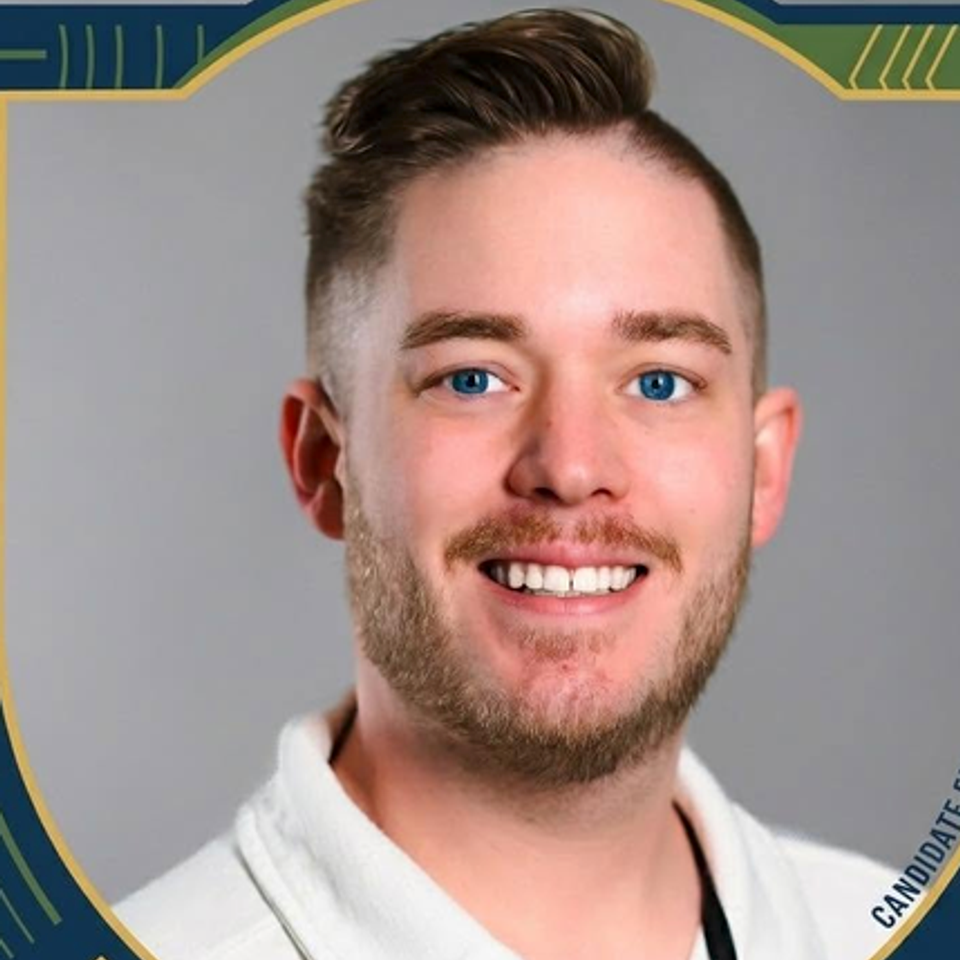
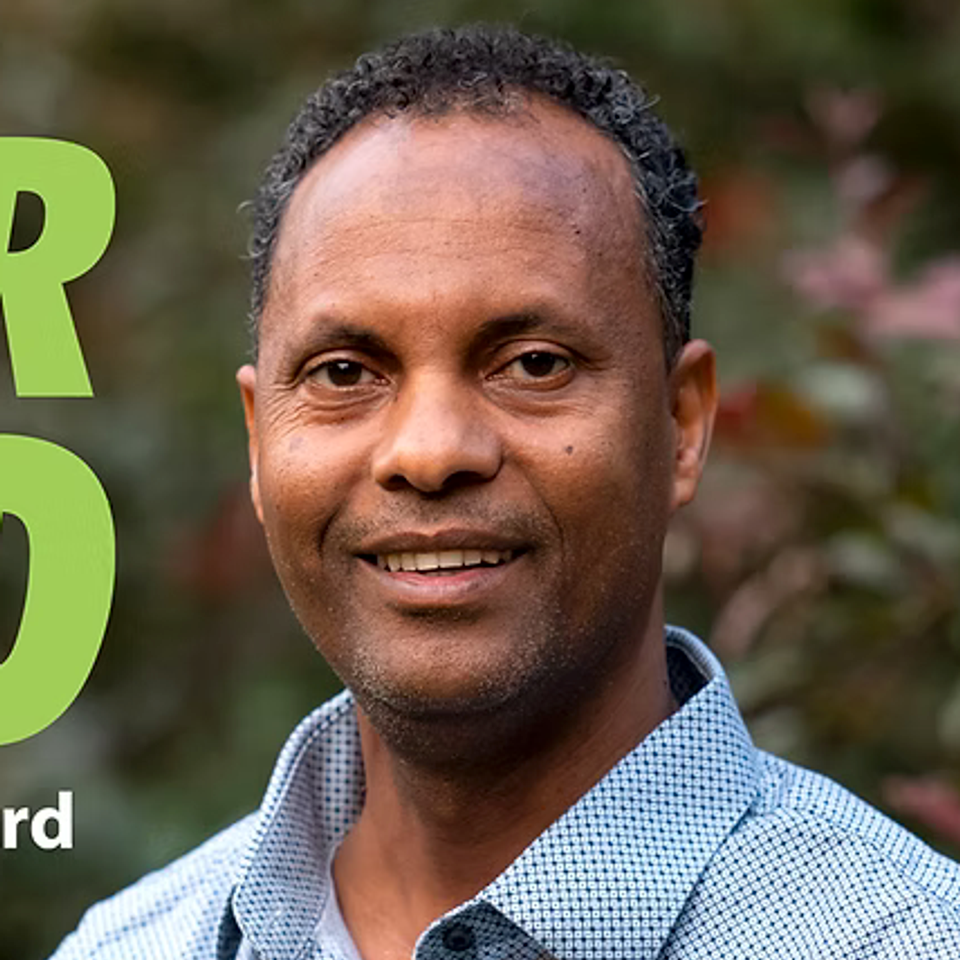
Omar Syed
Kris Taylor

Uriah Ward
(incumbent)
Candidate Forum

Prepared by Prism Organizing Network, developing leaders for LGBTQIA2S+ safety, dignity, and freedom across Minnesota.
WEST ST. PAUL / MENDOTA HEIGHTS / EAGAN
2026 SCHOOL BOARD CANDIDATES
The West St. Paul / Mendota Heights / Eagan School Board has 3 of 7 seats up for election this fall. 4 candidates have filed to run.
2026 Candidates
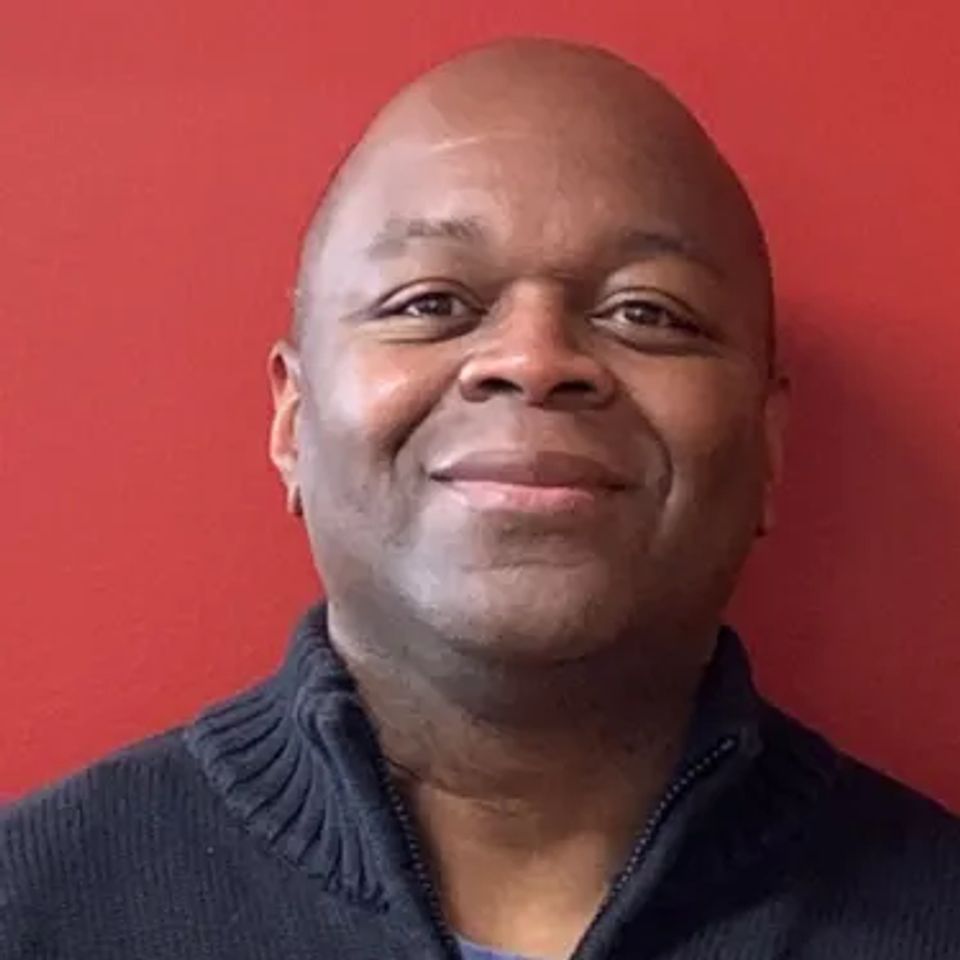
Marcus Hill
(incumbent)
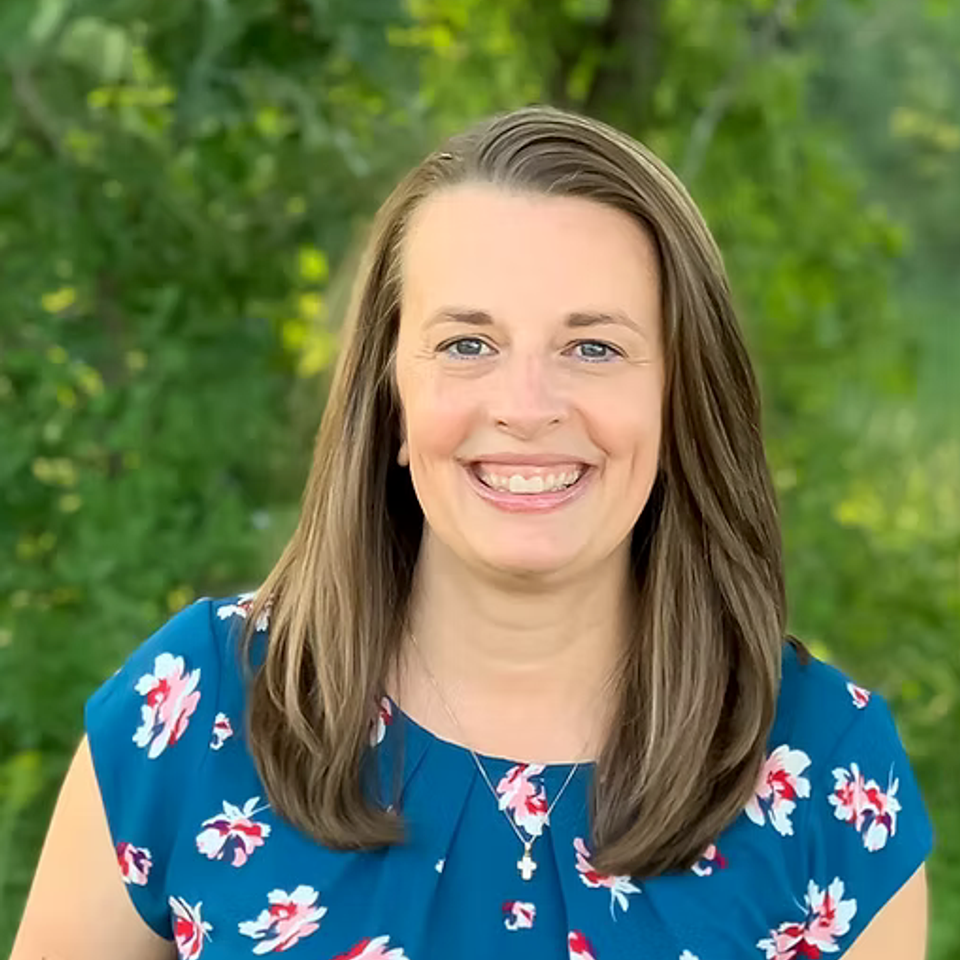
Sarah Larsen
(incumbent)

Dwight H Larson
Jon Vaupel
(incumbent)
Candidate Forum
Prepared by Prism Organizing Network, developing leaders for LGBTQIA2S+ safety, dignity, and freedom across Minnesota.
WHITE BEAR LAKE
2026 SCHOOL BOARD CANDIDATES
The White Bear Lake School Board has 4 of 7 seats up for election this fall. 8 candidates have filed to run.
2026 Candidates
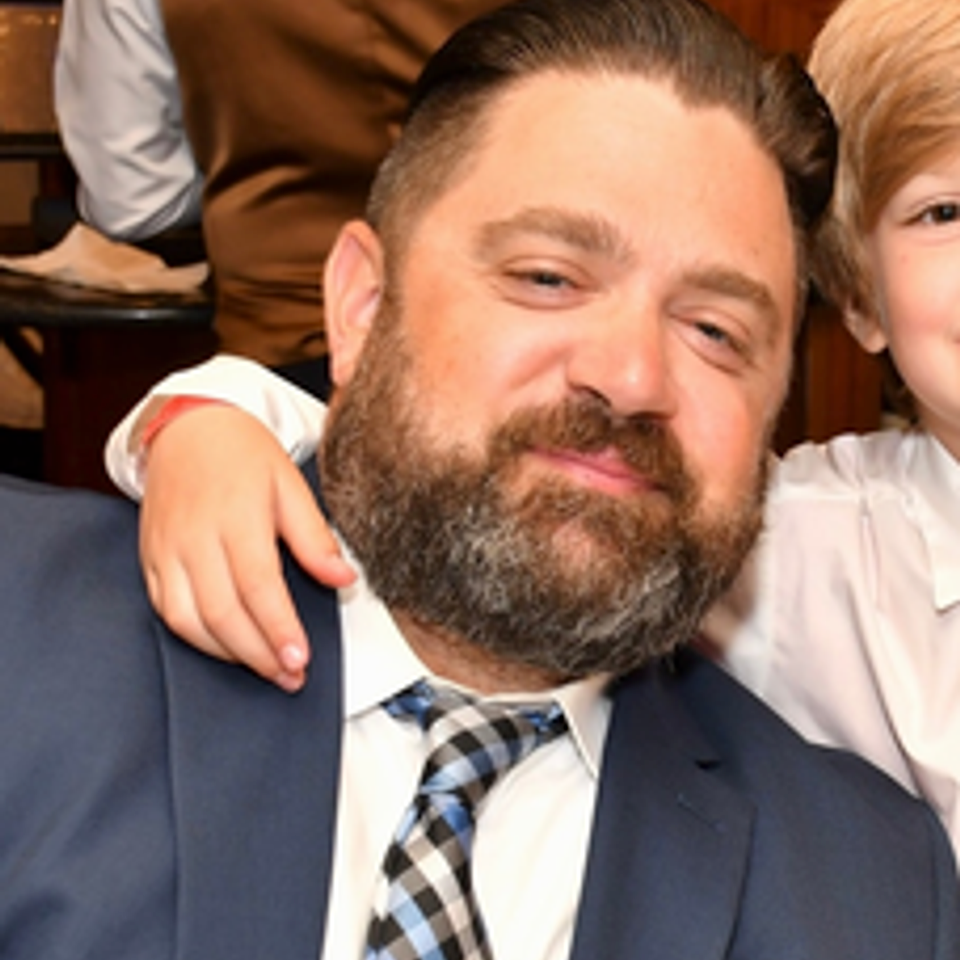
Dan Arcand
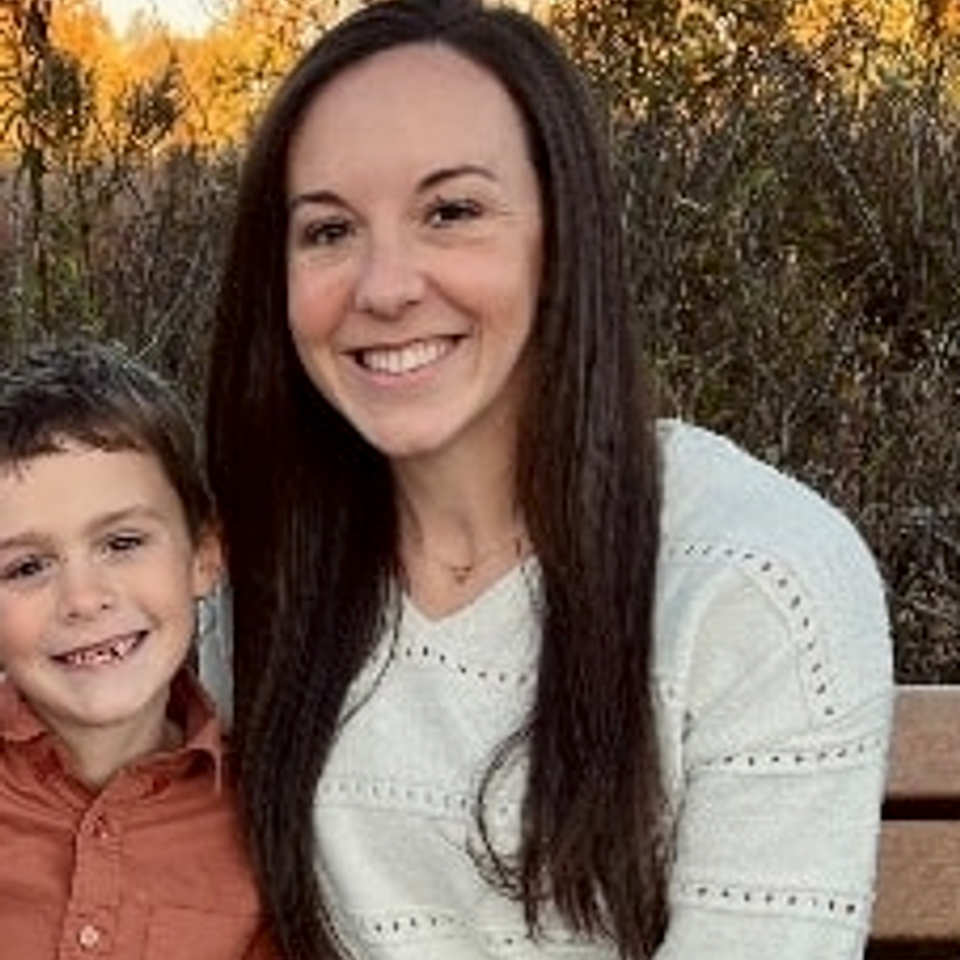
Colleen Berquist
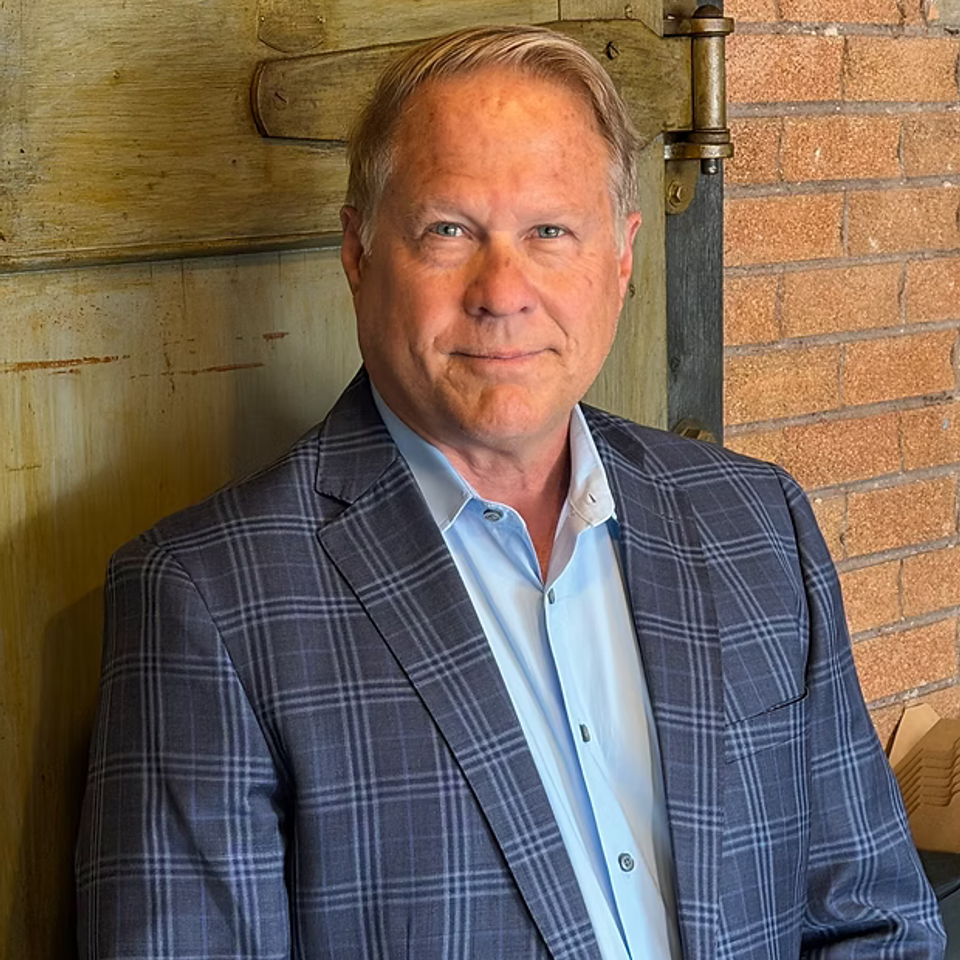
Bob Kromin
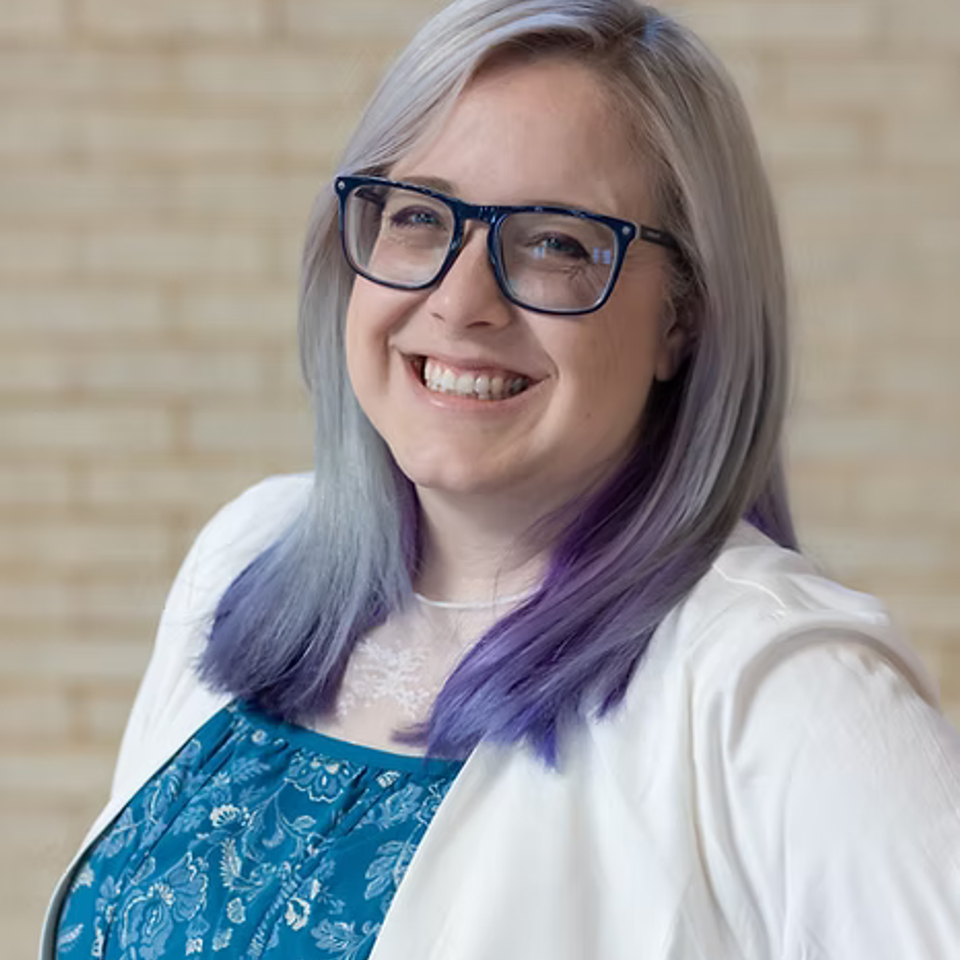
Amanda McFarlane
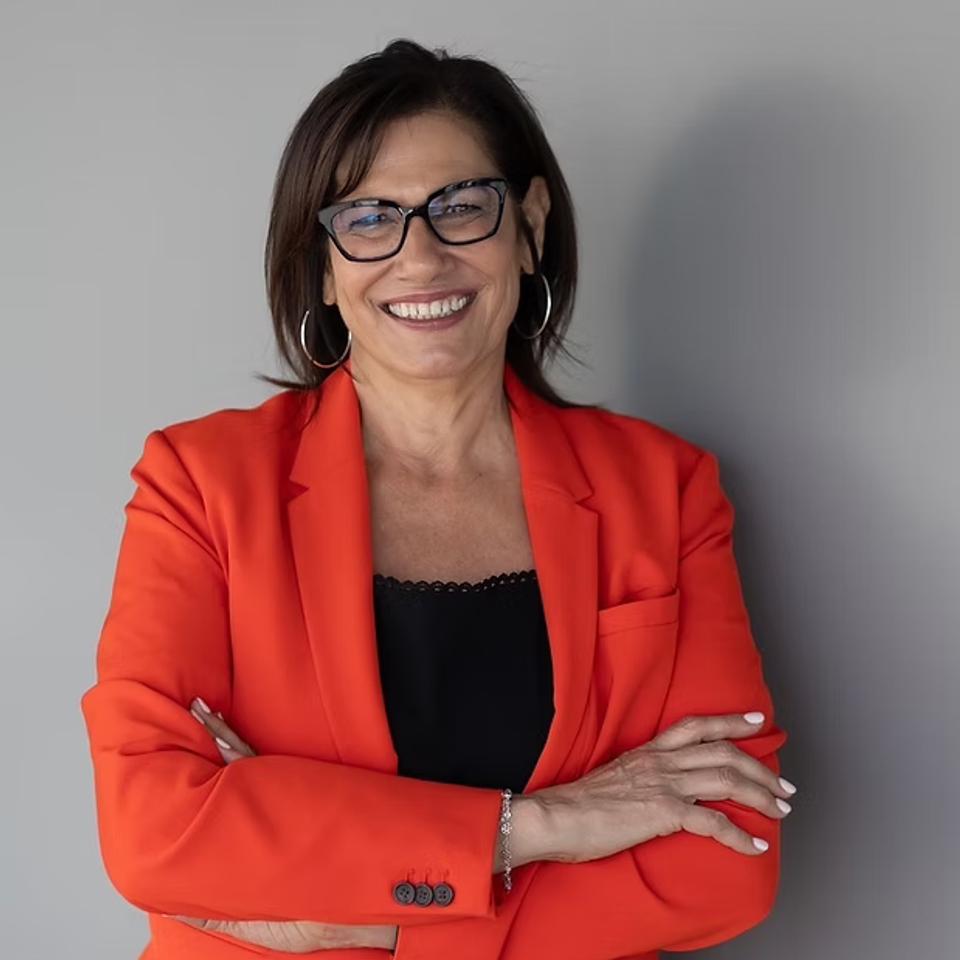
Christina Streiff Oji
(incumbent)
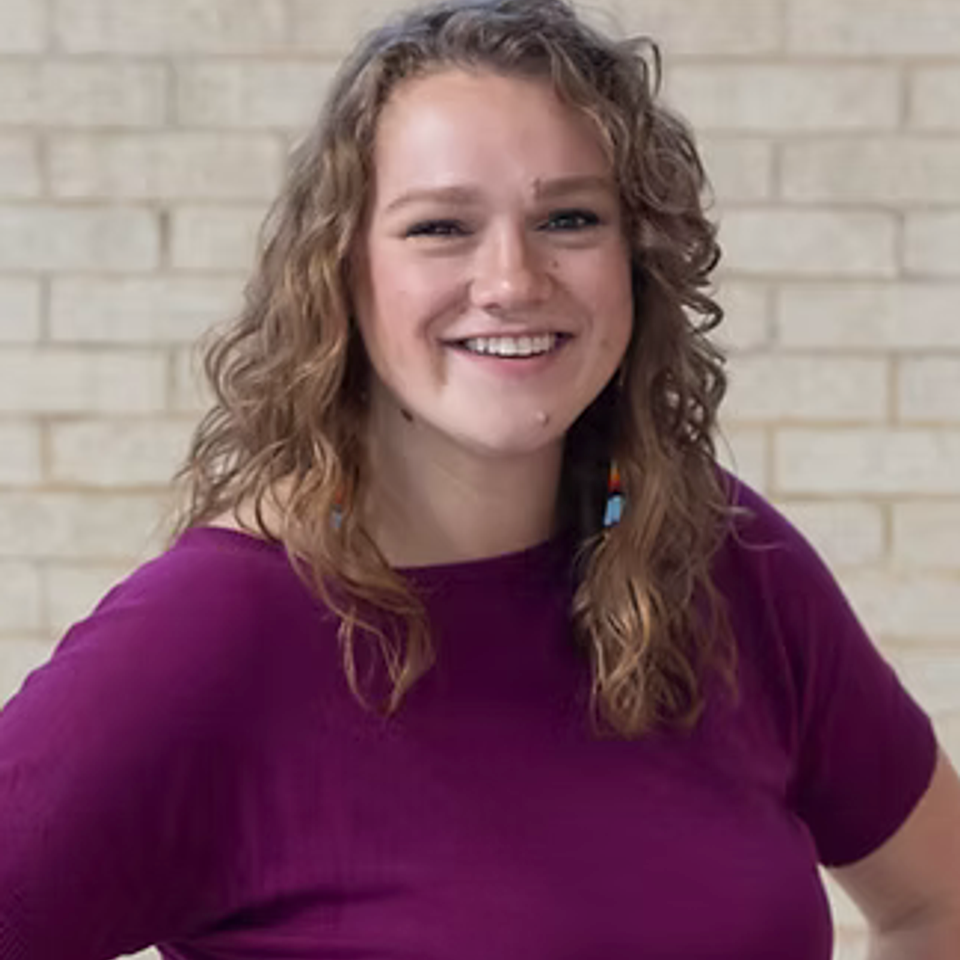
Amy Puschinsky
Melissa Roberts
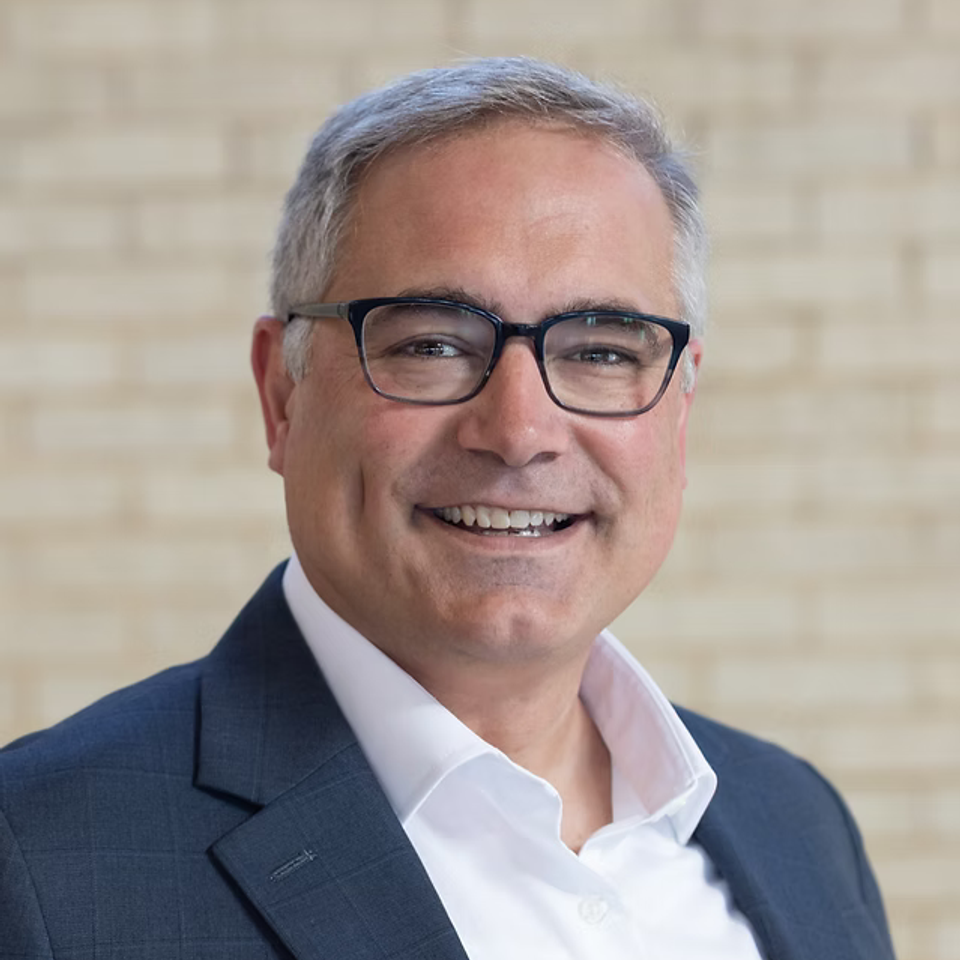
Ryan Vernosh
LVW Forum, September 12, 2026
Prepared by Prism Organizing Network, developing leaders for LGBTQIA2S+ safety, dignity, and freedom across Minnesota. Contact Prism Organizing’s East Suburbs regional lead Lori James (lorihj351@gmail.com) for more information.
WILLMAR
2026 SCHOOL BOARD CANDIDATES
The Willmar School Board has 3 of 7 seats up for election this fall. 5 candidates have filed to run.
2026 Candidates
Virgil Aguirre Jr
Mary Amon
(incumbent)
Patti Johnson

Jay Lawton
(incumbent)
Forrest Rice
Candidate Forum
Prepared by Prism Organizing Network, developing leaders for LGBTQIA2S+ safety, dignity, and freedom across Minnesota.
WINONA
2026 SCHOOL BOARD CANDIDATES
The Winona School Board has 2 at large, 1 district 1 and 1 district 2 seats of 7 seats up for election this fall. 5 candidates have filed to run.
2026 Candidates
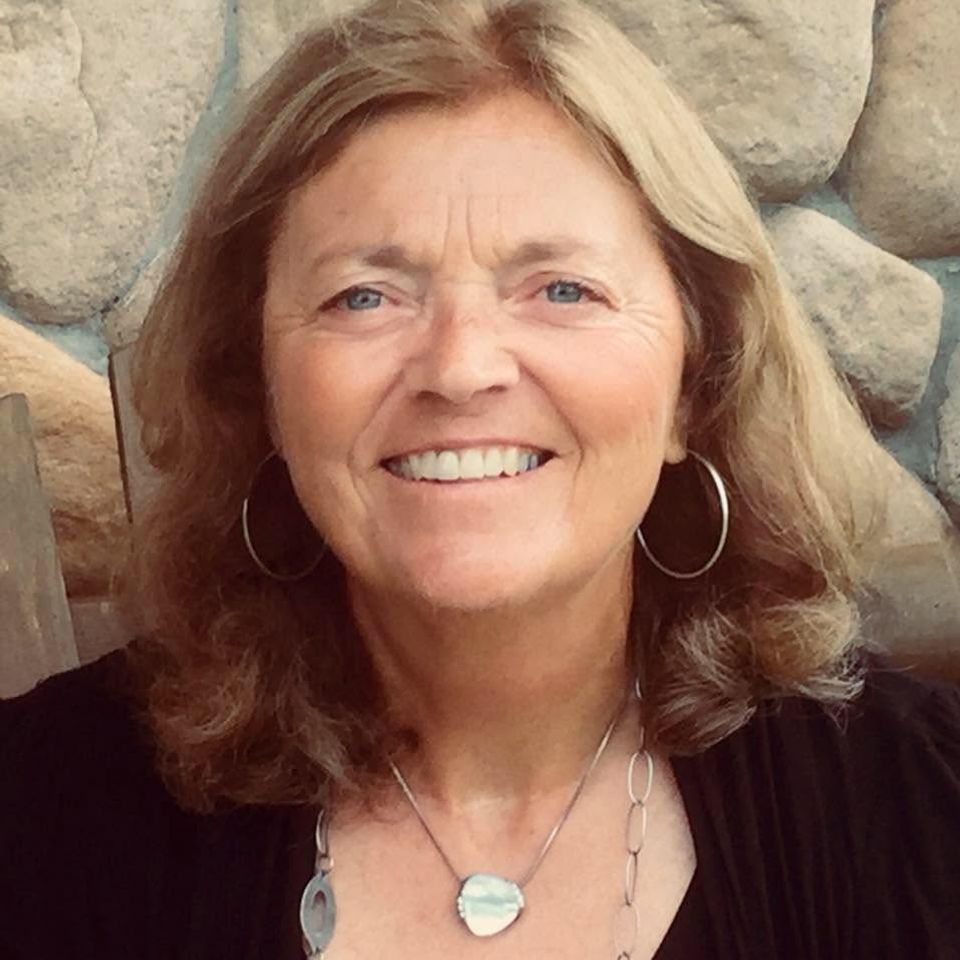
Nancy Denzer
Position: At Large
(incumbent)
(incumbent)

Karl W Sonneman
Position: At Large
(incumbent)
(incumbent)
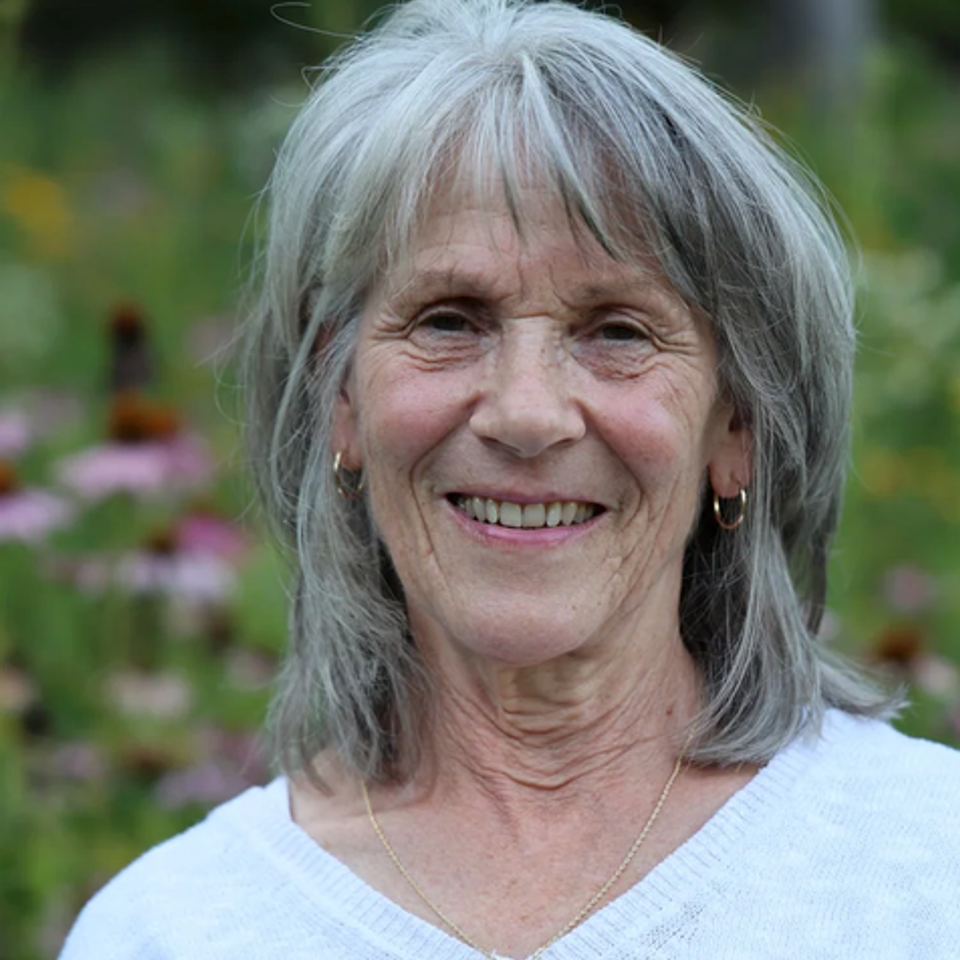
Michelle Cochran
Position: District 1
Ted Hazelton
Position: District 1
Michael Hanratty
Position: District 2
(incumbent)
(incumbent)
Prepared by Prism Organizing Network, developing leaders for LGBTQIA2S+ safety, dignity, and freedom across Minnesota.